With kidney stones becoming increasingly common, know the associated risk factors and how to prevent recurrence.
Are kidney stones dangerous?
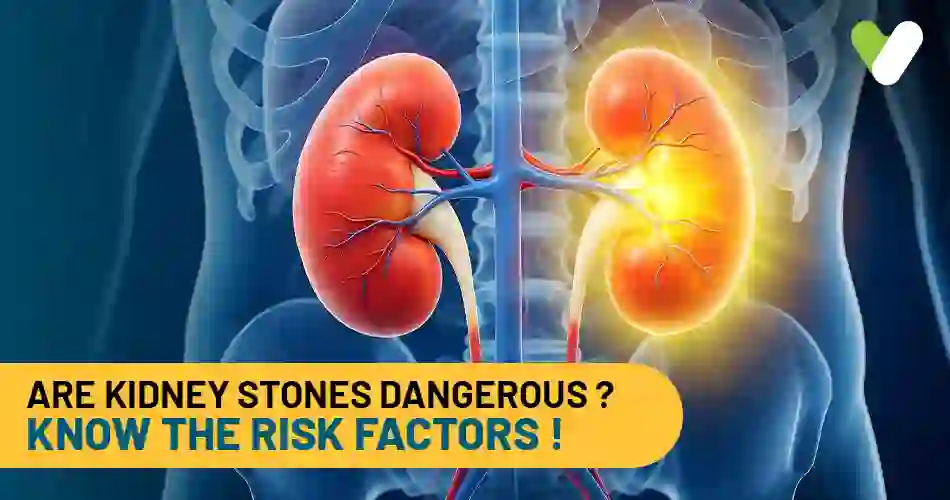
Kidney stones can become dangerous if they cause urinary tract blockage, severe infection, or permanent kidney damage leading to health complications. Generally, kidney stones develop when the concentration of minerals and salts in the urine increases, leading to crystal formation. To manage risk and prevent kidney stones, be aware of the common risk factors.
Associated risk factors
- Low Fluid Intake: Dehydration or low fluid intake is one of the most significant but preventable risk factors for kidney stones. When fluid intake is less throughout the day, urine becomes concentrated, with increased mineral levels. This leads to the formation of crystals. As per experts,urine production of less than 1- 1.5 liters per day places individuals at a high risk of developing stones.
- High-Oxalate Diet: High consumption of foods like spinach, beets, nuts, chocolate, and tea can increase oxalate levels in urine. A high oxalate diet can increase the risk of kidney stones.
- High Presence of Animal Protein in Diet: Diets high in poultry, eggs, red meat, and seafood can create conditions that can cause increased uric acid levels, lower citrate levels, and make urine more acidic. According to experts, a higher risk of kidney stones is noticed in individuals who follow high-protein or ketogenic diets and are not well hydrated. A balanced, healthy diet may be preferable.
- High-Sodium Diet: A diet high in salt (sodium) increases the calcium in the urine. Generally, foods like processed food, packaged food, and restaurant foods are high in salt, and therefore such food weakens the capacity of reabsorption of calcium by the kidneys. Even a slight increase in daily consumption of salt increases the risk of developing calcium-based stones in the longer run.
- Lifestyle and Metabolic Health: Increased risk of kidney stones is also associated with lifestyle, obesity, and its impact on the body. Our lifestyle alters urine composition, raising the level of uric acid and oxalate, and reducing citrate levels. Ultimately increasing the risk of developing uric acid stones.
- Age, Family History and Genetics: The risk of kidney stones increases in individuals aged between 20 and 50 years. Further, the risk of kidney stones increases when there is a family history of kidney stones. The genetic factors influence mineral metabolism; certain inherited disorders may increase an individual's risk of developing kidney stones.
What size kidney stones are dangerous?
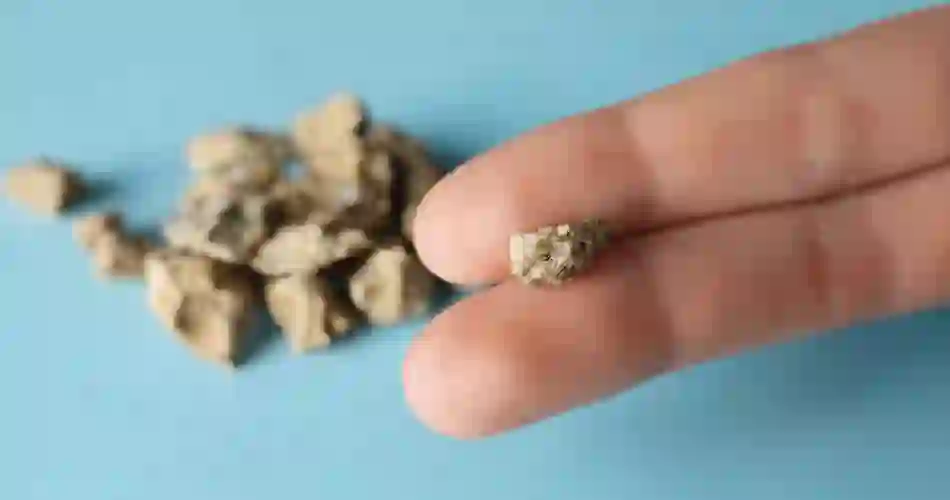
- Kidney stones under 4 mm are low risk. These are generally tiny stones and 80% to 90% of these pass naturally with medication.
- Stones ranging from 4 mm to 7 mm are moderately dangerous. These stones have a lower chance of passing on their own. They can get stuck in the ureter and trigger intense pain.
- Kidney stones ranging between 7 mm and 10 mm are highly risky. Natural passage of such stones is unlikely. A doctor’s opinion is highly recommended in such cases.
- Stones over 10 mm are high risk, as these are large stones and can block urine, causing severe infections and damaging the kidney if not treated. Such cases require immediate medical attention.
When to see a doctor?
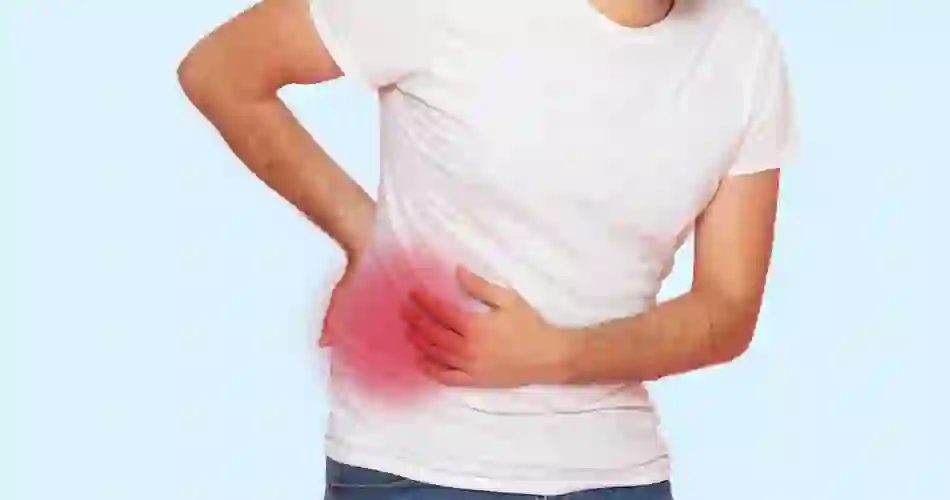
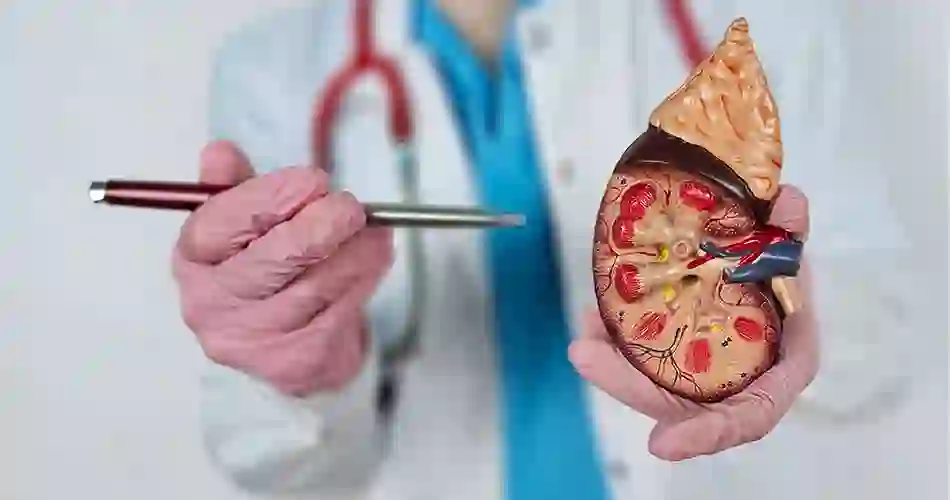
Some symptoms may indicate a kidney stone or a complication that requires urgent treatment. One must seek immediate medical attention in case of severe or persistent back or side pain, abdominal pain, discomfort while passing urine accompanied by fever, chills, nausea, or uncontrolled vomiting. In some cases, blood may be present in the urine. In such circumstances, one must hurry and consult a doctorfor detailed examination and treatment.

Ways to Prevent Kidney Stones
- Stay well hydrated: Hydration is the key and kidney stone prevention begins with hydration. A minimum of two to three liters of fluid intake during the day is highly advisable a day. However, water is the best option, but other fluids like soup, juice, detox water will also do. What does not work is dark soda, because it has high levels of phosphoric acid, which can contribute to stone formation.
- Watch your salt intake: Too much salt in your diet means more salt in urine. This increases the amount of calcium in urine and puts an individual at higher risk of kidney stone formation. Avoid or at least limit fast, processed, and packaged foods.
- Sufficient levels of calcium: While this may seem odd since kidney stones contain calcium, our body needs at least 1,000 mg each day to function properly. If your diet does not provide that much calcium, then consult a doctor about a supplement.
- Healthy diet: A good balanced dietcan prevent kidney stones and help in maintaining a healthy weight. However, diets like DASH, can be helpful as these not only help in lowering blood pressure, but they also emphasize foods that are low in sugar and salt – two of the substances found in kidney stones. In addition to controlling your sugar and salt intake, you should eat no more than two servings of animal protein each day.
- More leafy greens, nuts, and tofu in moderation: Although these foods are healthy, they also have high levels of oxalate, which contributes to kidney stones. Don’t avoid these foods entirely but consume them in moderation. A balanced diet is the key to reducing the risk of kidney stones.
Bottom Line
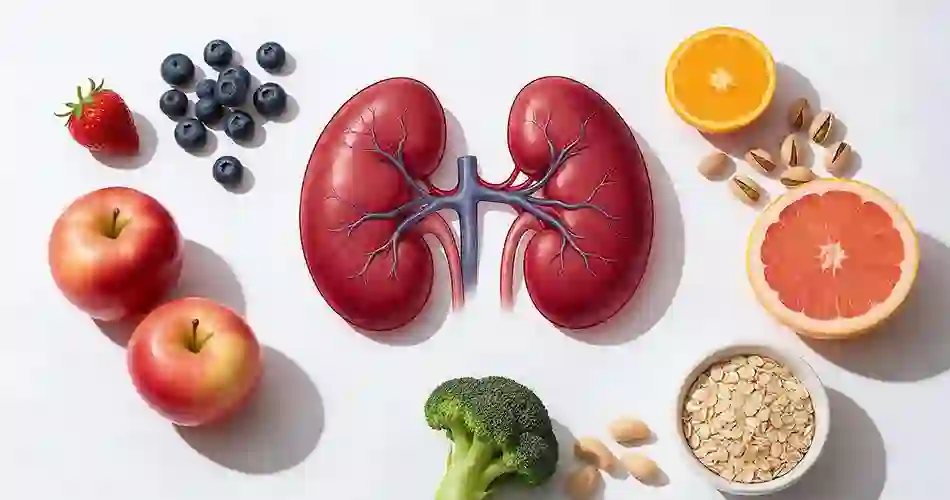
Now that you know the dangerous effects of a kidney stone on your health, you can understand how important it is to get proper and timely treatment for kidney stones. Kidney stones can usually be prevented. Most cases are linked to modifiable factors such as hydration, diet, and lifestyle habits. The good news is, kidney stones can be prevented by adopting preventive measures including proper hydration, an active lifestyle, a healthy diet, and controlling sodium intake.
If you are experiencing any symptom that may indicate kidney stones, it is better not to wait. Consult a specialist doctor so that you can get treatment.
Disclaimer: This article is meant for informational purposes only and must not be considered a substitute for professional advice.