Kidney stones are often described as one of the most intense pains a person can experience. But what makes this tricky is that kidney stones can often develop silently and then suddenly become painful.
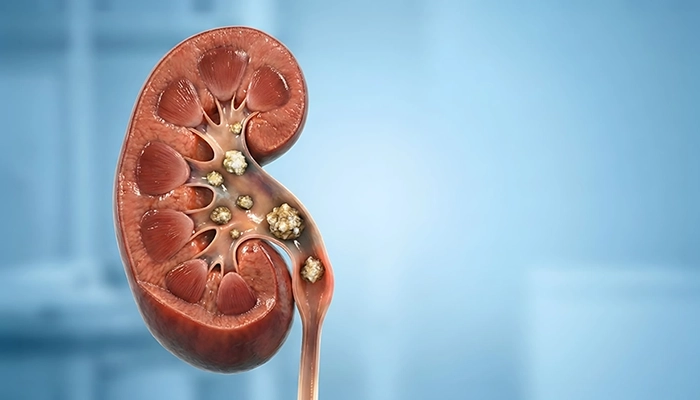
Factors that Cause Kidney Stones in Women
A kidney stone is a hard, crystal-like deposit of minerals and salts that forms inside the kidneys. They occur when urine becomes concentrated, allowing minerals to crystallise and stick together.
There are specific risk factors in women that cause kidney stone formation, including:
- Hormonal Fluctuations: Changes during pregnancy, menopause, or conditions like polycystic ovary syndrome (PCOS) can affect calcium metabolism and fluid balance.
- Recurrent UTIs: Women are anatomically more prone to UTIs. Certain bacteria can alter urine acidity, leading to "struvite" stones.
- Underlying Conditions: Inflammatory bowel disease (IBD), obesity, or hyperparathyroidism.
- Dietary and Dehydration Factors: Dehydration, insufficient water intake, high-sodium diets, or chronic use of certain calcium or vitamin D supplements without medical oversight.
Also Read: Kidney Stones of Diet
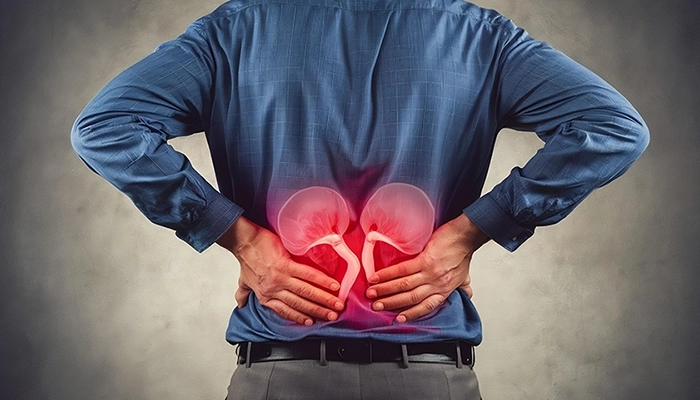
Six Kidney Stone Symptoms Women Should Not Ignore
When a stone is small and stationary within the kidney, it may cause no symptoms at all. However, as it moves through the narrow ureter (the tube connecting the kidney to the bladder), it can cause severe blockages and spasms.
1. Radiating Pain
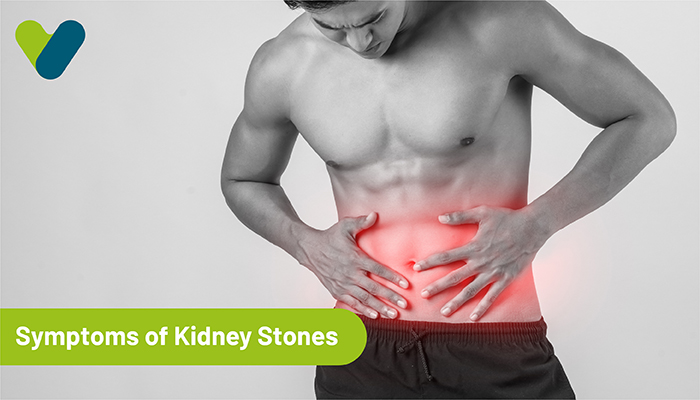
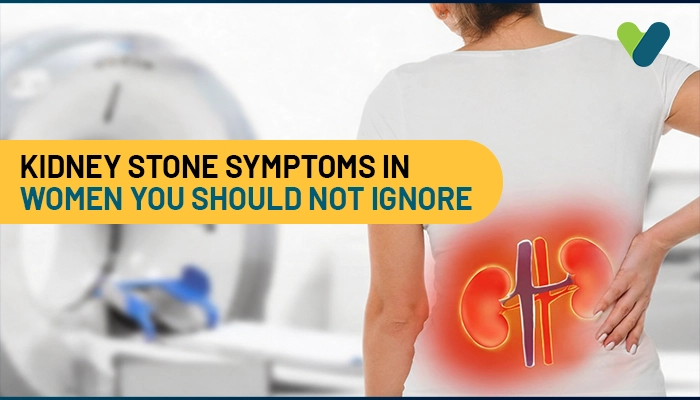
One of the significant symptoms of a kidney stone is sudden, sharp pain. The pain typically starts in the flank (one side of your lower back, right below the ribs). As the stone shifts downward, the pain often radiates to the lower abdomen, pelvic region, or groin. The pain is generally intense rather than a constant dull ache.
2. Smelly Urine
If a kidney stone obstructs urine flow, stagnant urine becomes a breeding ground for bacteria, leading to a secondary infection. Cloudy urine or an unusually strong, foul odour is a major warning sign that an infection has set in.
3. Urinary Changes
When a stone approaches the junction between the ureter and the bladder, it irritates the bladder walls. You may notice:
- A constant, sudden urge to urinate.
- Needing to go frequently but passing only tiny amounts of urine.
- A sharp, burning sensation during urination (dysuria).
4. Blood in the Urine (Hematuria)
As the hard, jagged stone scrapes along the urinary tract lining, it can cause bleeding. Your urine may appear:
- Pink, red, or brownish-red.
- Sometimes blood is invisible to the naked eye (microscopic hematuria) and is only detected during a urinalysis.
5. Persistent Nausea and Vomiting
The kidneys and stomach share common nerve pathways. When a stone triggers intense pressure in the kidney, it stimulates nerve endings that trigger nausea and vomiting. If you cannot keep fluids down, dehydration can rapidly worsen the situation.
6. Pain Mimicking Gynaecological Issues or UTIs
Because the nerves in the pelvic region are closely connected, kidney stone pain in women can feel strikingly similar to:
- Severe menstrual cramps
- Ovarian cyst rupture or pelvic inflammatory disease (PID)
- A severe Urinary Tract Infection (UTI)
If your usual cramp-relief methods or antibiotics don't ease the pain, a kidney stone could be the culprit.
When to Seek Emergency Medical Care
While some small kidney stones pass on their own with pain management and increased fluid intake, medical interventionis necessary to prevent kidney damage or life-threatening systemic infections (sepsis).
Go to an urgent care or emergency room immediately if you experience:
- Severe pain in which you cannot sit still or find a comfortable position.
- High fever and chills accompanied by flank or abdominal pain.
- Inability to pass urine at all.
- Inability to keep fluids or pain medications down due to severe vomiting.
- Visible blood clots in your urine.
How Kidney Stones Are Diagnosed and Treated
If you present with these symptoms, a healthcare provider will typically evaluate you using:
- Imaging Tests: A non-contrast CT scan or an ultrasound (ultrasound is preferred if you are pregnant).
- Urinalysis: To check for infection, blood, or stone-forming crystals.
- Blood Tests: To assess kidney function and check for elevated white blood cell counts.
Treatment Options:
- Small Stones (<5mm): A stone of this size can be managed at home with increased fluid intake, alpha-blockers (medications to relax the ureter), and pain relievers.
- Larger or Obstructive Stones: May require procedures like Shock Wave Lithotripsy (ESWL) to crush the stone with sound waves, Ureteroscopy to retrieve the stone, or Percutaneous Nephrolithotomy for very large stones.
How to Prevent Kidney Stones?
- Hydration is the key: Drink 2.5 to 3 litres of water daily. Your urine should consistently look pale or clear.
- Monitor Calcium Intake: Eat dietary calcium (like dairy or fortified plant products) alongside meals; calcium binds with oxalates in the gut rather than in the kidneys.
- Manage Recurrent UTIs: Work with a doctor to treat UTIs thoroughly to prevent struvite stone formation.
- Limit Sodium: Excess salt intake forces the kidneys to excrete more calcium into the urine.
Understanding the causes of kidney stones in women, from dehydration and diet to hormonal shifts and recurrent UTIs, and taking prevention seriously can make all the difference. And if something doesn't feel right, don't wait to see a specialist. To know more about Kidney Stone Treatment – CLICK HERE.
Disclaimer: This article is meant for informational purposes only and must not be considered a substitute for professional advice.