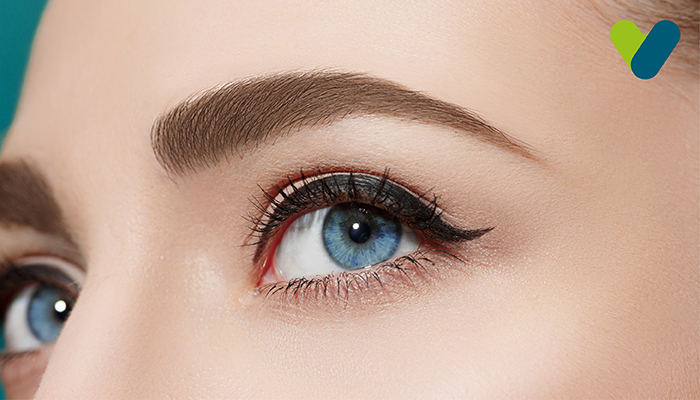
The body's most sensitive and fragile organs are our eyes, and the first step is to ensure that you take care of them. Vision loss can affect people of all ages. Eye diseases are more likely to occur in those with comorbid conditions such as diabetes, high blood pressure and cardiovascular disease. Studies have shown that more people with vision impairment, cataracts, and blindness, usually occurring over 50 years, are now showing up in people over forty.
Here are essential eye care tips to keep your eyes healthy. While one cannot control the ageing of your eyes, one can manage the eye health better with meticulous care. Many eye issues can be avoided if you adopt the following tips.
How to optimise your eye health:
-
Give your eyes a break while working
-
Eye exercise
-
Healthy food habits
- Nuts & Seeds: Nuts are loaded with omega-3 fatty acids and vitamin E, which help the eyes heal better. E.g., walnuts, Brazil nuts, cashews, peanuts, and lentils. Seeds are also high in omega-3s and are a rich source of vitamin E. E.g., chia seeds, flax seeds, and hemp seeds.
- Select orange: Orange-coloured fruits and vegetables like sweet potatoes, carrots, cantaloupe, mangos, and apricots are high in beta-carotene, a form of vitamin A that helps with night vision and your eyes' ability to adjust to the darkness.
- Go green: Dark leafy greens are the best sources of vitamins and nutrients for the eyes, like spinach, kale, and collards.
-
Comorbidities & Eye Health
-
Build-up your lifestyle & habits
- Smoking: Smoking does not help your lung health. Smoking is not only destructive to your lungs, but it can lead to cataracts. Smoking is also known to damage your optic nerve and cause macular degeneration.
- Rubbing your eyes: Another habit to watch out for is impulsively rubbing your eyes harshly. Instead, rub your eyes gently and
- Wash your hands: Wash your hands before putting them close to your eyes, especially if you put in or take out contact lenses.
- Eyewash: It is crucial to wash your eyes regularly to keep your eyes safe. Use a glass or plastic eyecup to wash your eyes with clean water. Those who started washing their eyes at least twice daily, observed improved vision in a few months.
-
Regular Eye Check-ups
- Is your vision blurry?
- Do you have trouble seeing things?
- Have you noticed any changes in your vision
A comprehensive eye exam might include the following:
- Briefing your doctor about your personal and family medical history
- Vision tests to determine if you are nearsighted or farsighted or to see how well your eyes align with each other
- Eye pressure & optic nerve tests to check for conditions like glaucoma
-
Protective gear
- Anti-glare: Computer screens emit harmful rays called blue light. Mitigate the effect of blue light with an anti-glare screen.
- Wear sunglasses: The UV rays of the sun can harm your eyes. They can bring about macular degeneration and cataracts and can even cause temporary blindness. Shades protect you from UV rays when you go out into the sun.
-
Adjust the lighting
-
Proper sleep