
You may have heard about blurry vision and eye discomfort, which are more common in older adults. Most of the time, these symptoms are associated with cataracts. A cataract is corrected through surgery. However, there are manytypes of cataract surgery; you need to narrow it down by considering certain factors and the patient's suitability.
What is an eye cataract?
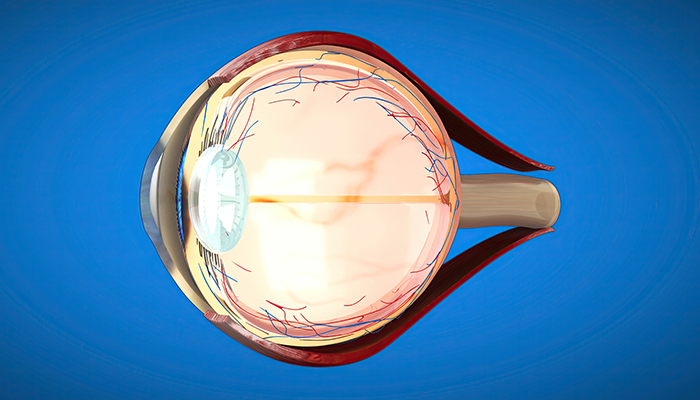
An eye cataract is a disease that affects middle-aged and elderly people, causing blurry vision; it occurs when the natural lens behind the pupil loses transparency over time.
A cataract is a cloudy or opaque area in the normally clear lens of the eye that blocks and scatters light, leading to impaired vision. This can cause a lot of discomfort for an individual.
Symptoms of a Cataract
In addition to blurry and cloudy vision, an individual may experience the following symptoms that indicate a cataract:
- Difficulty in seeing clearly
- Blurring of colours
- Decreased night vision
- Fading or yellowing of colours
- Increased Sensitivity to light
- Blurred vision in sunny weather
- Double vision in a single eye
Types of Cataract Surgery
A cataract doesn't go away with medication or glasses. As the cataract progresses, it begins to interfere with the life of the patient, significantly reducing vision.
Surgery is the onlytreatment for cataracts.
The technology used for cataract surgery and the quality of the lens placed in the eye determine the success of the operation and, most importantly, the quality of the patient's vision. Let us understand the type of cataract surgery in detail.

Phacoemulsification Cataract Surgery (Phaco)
Phacoemulsification is the most common modern cataract procedure.Doctorsmake a tiny cut in the cornea and use ultrasound to break the cloudy lens into small pieces.
The pieces are gently suctioned out. A foldable intraocular lens (IOL) is placed to bring back clear vision. This method is often called small-incision cataract surgery. Recovery is usually quick, and most people may have mild discomfort. With proper post-surgery care, individuals can heal well.
MICS (Micro-Incision Cataract Surgery)
MICS is cataract surgery done through an ultra-small, self-sealing corneal incision (about 1.8 to 2.2 mm). The cloudy natural lens is removed using ultrasound, and a clear artificial lens (IOL) is implanted. The incision is self-sealing, so stitches are usually not needed.
This procedure suits those who want low surgically induced astigmatism (SIA) and quick visual recovery. Vision typically returns within 24 to 48 hours, and most people resume light work within that time.
Extracapsular Cataract Extraction (ECCE)
Extracapsular Cataract Extraction (ECCE) removes the lens in one piece through a larger cut of 9 to 12 mm incision. The back part of the capsule is left to hold the IOL.Doctorschoose this when the cataract is very dense, or the ultrasound route is not safe.
This procedure is reliable, but healing is longer than with the other types. ECCE is one of the types of cataract surgery in India for advanced cases. The incision is bigger, and stitches are usually placed closed with sutures. Vision improves well but takes more time to settle. Functional vision often returns in 1-2 weeks. However, follow-ups for suture checks or removal is required in this type of surgery.
Small Incision Cataract Surgery (SICS)
Small Incision Cataract Surgery (SICS) is a manual, suture-less technique. The cut is larger than phaco but smaller than ECCE. A self-sealing tunnel incision of 5.5 to 6.5 mm is created. The hard lens is removed in one piece without ultrasound. A standard IOL is then placed in the capsular bag. SICS is widely practiced as a cost-effective cataract surgery option in India. It works well for dense cataracts and in centers without phaco machines.
Intracapsular Cataract Extraction (ICCE)
Intracapsular Cataract Extraction (ICCE) removes both the lens and its capsule together. It needs a large incision and is rarely used now. It may be chosen for special cases like lens dislocation or severe trauma. Other modern types of cataract surgery are safer for routine cases. Because the capsule is removed, the IOL placement is different. Surgeons may use an anterior chamber IOL or another method to correct focus.
Recovery is slow and needs close monitoring.
Femtosecond Laser-Assisted Cataract Surgery (FLACS)
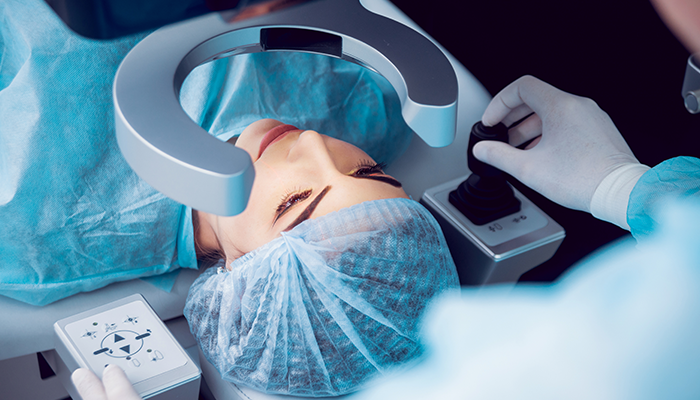
Femtosecond Laser-Assisted Cataract Surgery (FLACS) uses a femtosecond laser to do key steps with high precision. The laser makes the corneal cuts, the round opening in the capsule, and softens the lens. A small incision is used to remove lens pieces and clean the capsule.
The rest of the lens removal is then done like standard phaco. This can help with the precise placement of premium IOLs. A foldable IOL is inserted and centered.
FLACS is available as a premium option among the types of cataract surgery in India. It may improve consistency for some steps, but the final vision is often similar to phaco in many eyes. Similar to phaco, individuals see better in 1 to 2 days, and generally full healing is expected in 3 to 4 weeks if there are no post-surgery complications.
Choosing acataract surgeryoption depends on your eye, goals, and budget.
Modern options, such as phaco, MICS, and FLACS, aim for small incisions, steady vision, and a fast recovery, while SICS/ECCE are beneficial for treating very dense cataracts and provide wider access in India.
Vision outcomes are good with skilled hands. Healing is steady and usually faster than ECCE. In most cases, full recovery occurs in about 3 to 4 weeks.
In a Nutshell
Cataract treatment is a painless procedure thanks to modern techniques. The success of cataract treatment depends on thedoctor's experience,the technologies used, consumables, and lens quality.
With the right lens, a person can see clearly after surgery, and better vision adds comfort to their life. When choosing lenses, consider important factors such as age, lifestyle, hobbies, occupation, and eye structure. The lenses must pass the appropriate tests and have a quality certificate.

Disclaimer: This article is meant for informational purposes only and must not be considered a substitute for professional advice.