
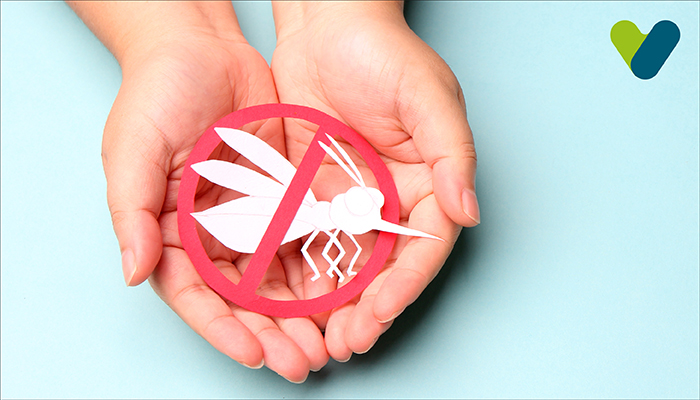
Kalpna is a girl who had dengue in recent days. However, she was unaware that dengue fever is its deadly relative. During the rainy season from May to November, children are aware of the symptoms of dengue fever, which include fever, headache, vomiting, and joint discomfort.
Despite government awareness campaigns, dengue fever remained very active in 2021. Each of those instances has a name, a backstory, and a family that has prayed passionately for recovery. For example, Kalpna realized that she was going through something profound and later discovered dengue.
What is Dengue?
Dengue fever, a painful and deadly sickness carried by mosquitoes, is caused by four closely related dengue viruses that cause West Nile and Yellow Fever. There are an estimated 400 million individuals with dengue fever every year, with 96 million becoming ill. The vast majority of cases occur in tropical areas.Most patient infections are from someone who imported the virus from another nation. Consequently, residents in the southern United States, especially those living near the Texas-Mexico border, are becoming more vulnerable. Dengue fever by biting an Aedes mosquito carrying the dengue virus, and a mosquito becomes infected when it bites a human exposed to the dengue virus.
Symptoms
- High fever with no warning
- Headaches that be severe
- The back of the eyes ache
- Joint and muscular pain that is excruciating
- Fatigue
- Nausea
- Vomiting
- 2 to 5 days following the commencement of the fever, a rash emerges on the skin.
- Mild bruising
Dengue hemorrhagic sickness is known to be more likely in those who have a weakened immune system or have had previous dengue infection.
Preventions
There is no vaccination for dengue disease, and there are no treatments to prevent infection while going to locations where the illness is prevalent, unlike malaria. One preventive strategy is to avoid mosquito bites while visiting areas where dengue fever is prevalent.The following steps will help you prevent dengue fever:
- Wear clothing or hats to cover your arms, legs, and face.
- Wear shoes instead of sandals or steel-toed shoes.
- DEET (diethyl hydrochloride) at a dose of 30–50%
- Should treat clothing and shoes with permethrin insecticides.
- We will use mosquito netting coated with permethrin at night.
- Use insect repellents such as mosquito coils and electric repellents.
- If possible, request a room with insect screens just on doors and windows, or even one that is aerosol.
Treatment
Treatment of dengue fever does not even have a specific treatment regimen. A virus causes dengue fever, so antibiotics are useless in preventing it.The treatment's objective will be to reduce the severity of the symptoms:
- Rest
- Drink lots of water to prevent dehydration caused by vomiting and fever.
- Dengue fever treatment, such as paracetamol, may help to ease the pain while also lowering the body's temperature. Non-steroidal anti-inflammatory medicines (NSAIDs) as aspirin and ibuprofen should be because they can induce bleeding.
- In severe dengue cases, hospitalization and treatment with intravenous fluids or blood products may be necessary, mainly if bleeding develops severe.
- Pain relievers and fever reducers that don't cause further bleeding, such as Tylenol, may be utilized (acetaminophen).
- Stay hydrated by drinking plenty of water or alcoholic drinks.
- upward-pointing arrow
- If significant blood loss occurs, severe dengue may need intravenously (IV) fluids, especially electrolyte replacement, monitoring, and perhaps a blood transfusion.
- A virus causes dengue fever; hence there is no specific treatment or dengue cure. However, intervention may be effective based on the intensity of the illness.
- Avoiding a high fever and vomiting might help you prevent dehydration. Dengue treatment food Clean water should be drunk, ideally bottled instead of tap water, and Rehydration salts may also replenish minerals and fluids.
- Dengue medicine like Tylenol or paracetamol may help to lower temperature and pain.
- Non-steroidal anti-inflammatory drugs (NSAIDs), such as aspirin and ibuprofen, may raise the risk of internal bleeding.
- An intravenous (IV) fluid supplement or a drip may take fluids by mouth.
- Extreme depletion may need blood donations.
- If the patient's symptoms deteriorate, admission to the hospital will allow for more intensive monitoring.
Dengue Fever: Causes and Risk Factors
- Female mosquitoes of the Aedes mosquito subspecies and, less often, Aedes albopictus subspecies, spread the virus subtypes that cause dengue fever.
- Aedes mosquitos are often encountered in urban and suburban areas because mosquitoes nest in artificial containers such as tires, flowerpots, and home bottles of water, according to the WHO.
- Dengue is caused by four distinct dengue viruses (DENVs) transmitted by the Aedes aegypti mosquito. Viruses transferred from monkeys towards humans between 100 and 800 years ago.
- According to the CDC, dengue fever was a minor problem until the mid-twentieth century. Aedes dengue in Africa can now be in tropical areas worldwide, especially in and around human populations. The virus from a human to an infected mosquito. When a mosquito bites a person with dengue fever, the virus follows an acute injury. Dengue may be infected several times, and a subsequent infection has a higher risk of evolving to a more severe form.