
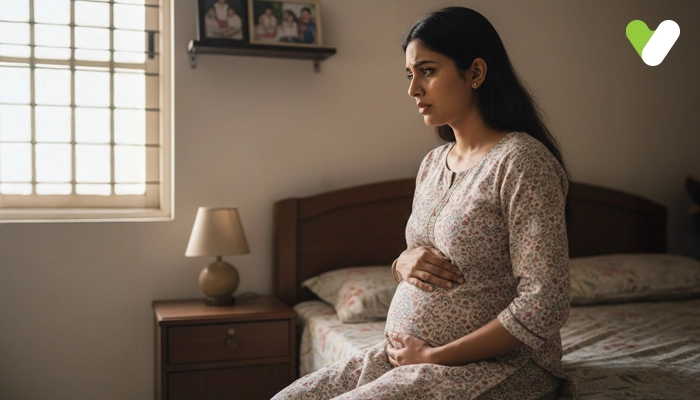
Ramya is a pregnant woman who is expecting her first child. However, she has some doubts about bleeding during pregnancy. She consulted with a doctor to know how to manage the condition effectively which worked well for her. The net result is that she didn’t face any trouble during her pregnancy and delivered a baby boy.
Bleeding while pregnant is a common problem but there is no need to panic immediately. However, a woman shouldn’t neglect the condition because excess bleeding is a warning sign that can affect her in different ways. It is important to know the causes of bleeding that will help manage them without any difficulties.
Also read: Are You Pregnant? Know the Pregnancy Symptoms
Bleeding in the First Trimester
Bleeding can appear during the first trimester of pregnancy and a woman should evaluate the possible causes for the problem. Some of them include cervical changes, infections, miscarriage, implantation bleeding, ectopic pregnancy, etc.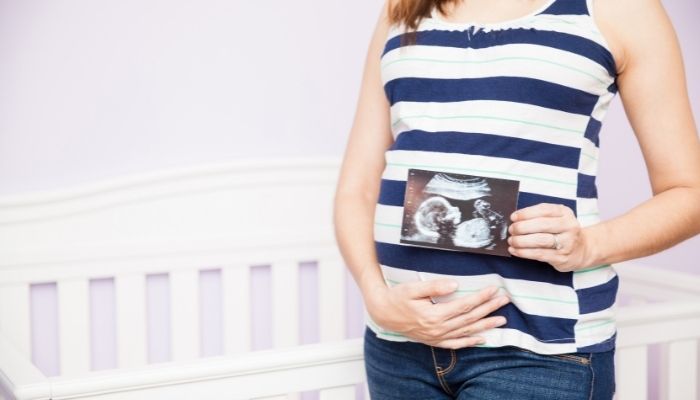
Let us unfold some common reasons for pregnancy bleeding in the first trimester:
- Implantation Bleeding: Implantation bleeding refers to very light bleeding that can last for a few hours or a few days. It occurs when the fertilized egg implants in the uterus lining.
- Miscarriage: Miscarriage is another factor that can cause bleeding during the first trimester. The possible causes of the miscarriage include chromosomal problems, placental problems, obesity, and other unhealthy habits.
- Ectopic Pregnancy: Ectopic Pregnancy is a condition that refers to the bursting of the fallopian tube when the fertilized egg plants outside of the uterus. However, it is a very rare condition that occurs only in 2% of women. If the fallopian tube ruptures, then it will lead to internal bleeding.
- Molar Pregnancy: Molar pregnancy is also another rare condition that appears in women which leads to the abnormal growth of tissues inside the uterus instead of a baby.
- Cervical Changes: The cervical changes can cause bleeding because extra blood flows to the cervix.
Bleeding in the Second and Third-Trimester
Bleeding in late pregnancy can lead to severe complications and need more attention to control the condition effectively. Several causes are responsible for bleeding in second and third-trimester pregnancy. Some of them include Placenta Previa, Placental Abruption, Uterine Rupture, Vasa Previa, and Premature Labor.Let us know more about them that will help implement preventive measures accordingly.
- Placenta Previa: Placenta Previa is a very rare condition that results in painless bleeding.
- Placental Abruption: The symptoms of placental abruption include abdominal pain, back pains, tender uterus, and vagina clots that can cause discomfort. It occurs mainly due to the detachment of the placenta from the uterus wall.
- Vasa Previa: The symptoms of Vasa Previa include excessive bleeding, abnormal heart rates, and poor supply of oxygen to a baby. At the same time, it is a rare condition that will occur in a pregnant woman.
- Premature Labor: Premature labor can cause contractions, abdominal pressure, lower back pains, and vaginal discharge.
How to Diagnose Excessive Bleeding During Early Pregnancy?
A woman should undergo certain medical tests during early pregnancy to know the causes of excessive pregnancy bleeding in detail.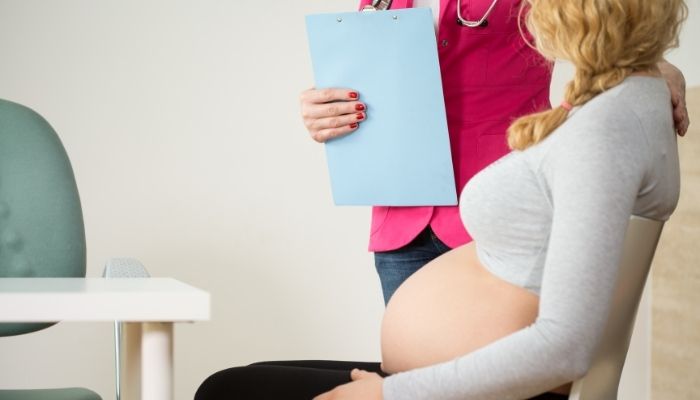
They include vaginal exams, ultrasound scans, and blood tests. A vaginal exam aims at evaluating the conditions and size of the uterus which can last for a few minutes. The blood tests offer solutions for detecting the blood type and the levels of hormones in the blood. An ultrasound scan uses sound waves that provide pictures of the pregnancy with high accuracy.
Tests for Bleeding Problems During Late Pregnancy
Some tests are necessary for evaluating the bleeding problems during later pregnancy that will help determine the right type of treatment. They include medical history, ultrasound scan, and vaginal examination. In most cases, a physician will recommend the tests based on the conditions of a woman. Additional causes which influence late pregnancy include polyps and injury to the vagina or cervix. It is important to prevent injuries of the vagina to lower bleeding and other problems to lead a trouble-free life.Treatments for the First Trimester Pregnancy Bleeding
Implantation bleeding doesn’t need any treatment because it has no complications and a doctor will monitor the condition properly. Sometimes, the condition requires medications that give ways to replace the need for curettage and dilation. On the other hand, some of them may cause excessive bleeding that requires additional care. A doctor will also suggest treatments based on the symptoms and other factors.How to Take Care of Bleeding During Pregnancy at Home?
Women may experience a range of emotions during pregnancy. They can even take care of bleeding at their home by following simple steps. The first thing is getting plenty of rest that will help reduce the complications to a large extent. Using a pad instead of a tampon is one of the best ways to manage bleeding with ease.Taking mild pain medications will help overcome the pains and other problems significantly. Moreover, a woman should report to a doctor when she undergoes any changes. It is wise to avoid travel and exercises to avoid abnormal bleeding during pregnancy. Severe pains and cramps need emergency medical care allowing a woman to overcome them efficiently.