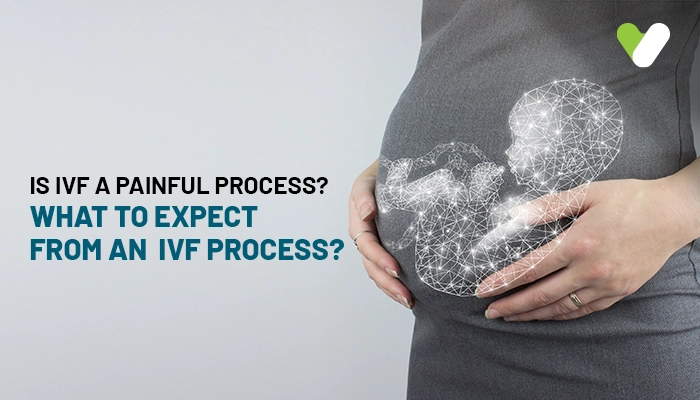
In vitro fertilisation (IVF) is not really as painful as it may appear, though it does cause temporary discomfort. Most stages feel similar to mild or moderate menstrual cramps or temporary bloating. However, pain tolerance varies from person to person.
What is IVF?
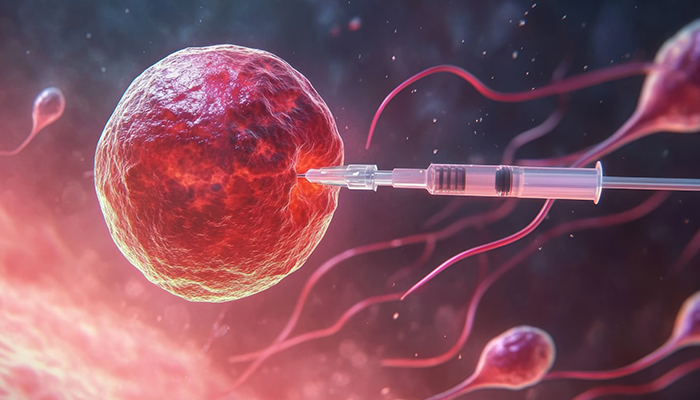
IVF stands for in vitro fertilisation, a medical procedure where an egg and sperm are
combined outside the body in a laboratory setup to create an embryo, which is then implanted into the uterus. IVF is commonly used to treat infertility and other reproductive issues.
What do you need to know before considering IVF?
If you are considering anIVF procedure, it is completely normal to feel a mix of hope and apprehension. One of the most common questions patients ask fertility specialists is simple: "Is IVF painful?"
Well, the answer is no: IVF is generally not considered severely painful, but it does involve discomfort, physical fatigue, and emotional ups and downs. Most patients describe the
physical sensation as manageable—closer to severe menstrual cramps or mild pressure rather than acute pain.
Understanding what happens at each stage can significantly ease anxiety. Here is a
breakdown of what to expect during every phase of the IVF cycle and where you might feel mild pain or pressure.
Phase 1: Ovarian Stimulation (Hormone Injections)
What happens: For 8 to 14 days, you will self-administer hormone injections (FSH and LH) to stimulate ovaries to produce multiple mature eggs.
· What it feels like:
- The injections: The needles used for subcutaneous injections are thin and short (similar to insulin pens). You might feel a tiny pinch, mild stinging, or skin bruising at the injection site.
- Body symptoms: As the ovaries enlarge to accommodate multiple follicles, you may experience bloating, lower-abdomen heaviness, mood swings, and breast tenderness—similar to heightened PMS symptoms.
· Pain level: Low (1-2 out of 10).
Phase 2: The Trigger Shot & Preparation
What happens: Once the follicles reach the optimal size, you will receive a final "trigger shot" (hCG or Lupron) to finalise egg maturation 36 hours before retrieval.
· What it feels like:
In some cases, people receive an intramuscular injection in the upper
buttock/hip, which can be slightly more uncomfortable than subcutaneous injections and may cause mild muscle soreness for a day or two.
· Pain level: Low to moderate (2-3 out of 10).
Phase 3: Egg Retrieval (The Surgical Procedure)
What happens:A fertility specialistuses a transvaginal ultrasound probe equipped with a thin needle to extract eggs from the ovaries.
· What it feels like:
- During the procedure: You will be under conscious sedation or general anesthesia, meaning you will feel zero pain during the procedure itself.
- After the procedure: Once the sedation wears off, it is normal to experience cramping (similar to period cramps) and mild spotting for 24 to 48 hours.
- Most patients manage this easily with heating pads and over-the-counter pain relievers like acetaminophen.
· Pain level: Moderate post-procedure cramping (3-5 out of 10 for 1-2 days).
Phase 4: Fertilisation & Embryo Development
What happens: In the laboratory, the retrieved eggs are fertilised using sperm. The resulting embryos are monitored in an incubator for 3 to 5 days.
· What it feels like: This step happens entirely in the lab, so it has no physical impact on your body. However, this period can be emotionally stressful while you wait for embryo updates.
Phase 5: Embryo Transfer
What happens: Using a thin catheter inserted through the cervix, the doctor places the chosen embryo into the uterus.
· What it feels like:
- The procedure requires no anaesthesia and takes only 5 to 10 minutes.
- Sensation is very similar to a routine Pap smear—you may feel the pressure of the speculum and a slight pinch or mild cramping as the catheter enters the uterus.
· Pain level: Low (1-2 out of 10).
Phase 6: The "Two-Week Wait" & Progesterone Support
What happens: You will start taking progesterone supplements (suppositories, gels, or
injections) to prepare the uterine lining for implantation, followed by a pregnancy blood test about 10–14 days post-transfer.
· What it feels like:
- Progesterone can cause fatigue, bloating, breast swelling, and nausea—making it difficult to tell if symptoms are from pregnancy or the medication.
- If you use intramuscular progesterone in oil, daily shots can cause localised muscle soreness.
· Pain level: Low to moderate discomfort.
Pain Management Tips DuringIVF Procedure
- Warm Compresses & Heating Pads: Great for post-retrieval cramping (avoid high heat directly on the abdomen after embryo transfer).
- Rotate Injection Sites: Switch between the left and right sides of your stomach/thigh to avoid skin irritation.
- Ice the Skin First: Apply an ice pack to the site for 30 seconds before an injection to numb the surface skin.
- Hydrate & Eat Protein: Reduces the risk and symptoms of mild Ovarian Hyperstimulation Syndrome (OHSS).
When to Contact Your Doctor
Mild discomfort is normal, but severe pain is not. Contact yourdoctorimmediately if you experience:
- Severe abdominal pain or rapid swelling
- Heavy vaginal bleeding
- High fever or persistent nausea/vomiting
- Sudden weight gain (more than 3-5 lbs in a few days)
If you are consideringIVF treatmentor have questions about your fertility options, it is crucial to consult with a specialist who can provide personalised guidance and support.
Disclaimer: This article is meant for informational purposes only and must not be considered a substitute for professional advice.