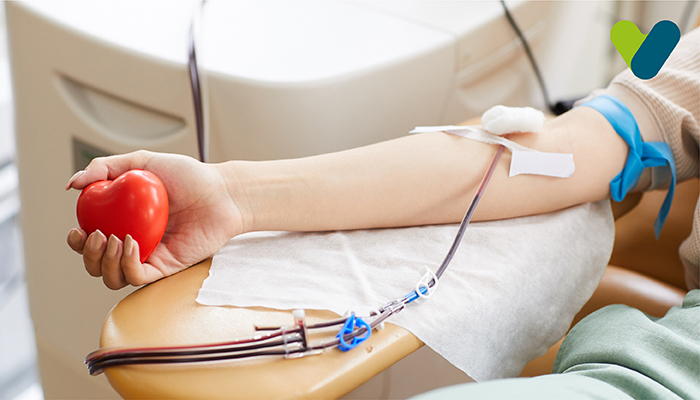
Research has shown that blood donation benefits a donor in many ways by lowering the risk of heart diseases and providing the donor with a free health check-up along with the satisfaction of saving lives. Out of altruism, people also volunteer as regular donors at official sites to participate in blood donation drives.
Blood Donation Advantages
Donating blood is not only helpful for the patient/receiver, there are certain benefits for the donor as well. A few of these benefits are listed here:- Free health check-up
Before drawing blood from a donor, their vital signs are checked by a trained medical practitioner to eliminate the risk of any diseases, such as high blood pressure and arrhythmia. If symptoms of a disease show up in a test result, the medical staff will either provide the donor necessary medical attention then and there or recommend the donor to consult a doctor.
A trained medical practitioner performs various tests (including comprehensive CBC test) after collecting the blood from a donor; then, the donor will be informed about the test results if and when necessary.
- Lowered risk of cardiovascular ailments
In recent years, the risks of cardiovascular diseases in young generation has been increasing. Many factors play a role in reducing the likelihood of a young person having a heart attack or going through angioplasty. It looks like donating blood regularly can improve their heart health by a mile.
- Improved physical health
Besides, people who are not affected by haemochromatosis can maintain overall good health with the help of new blood cells produced by the body to replenish the lost blood.
- Mental health
- create a sense of belonging,
- reduce anxiety and stress,
- increase feelings of happiness and optimism, and
- encourage other community members to contribute.
- Save lives
The process of donating blood can highlight any undermining health conditions that a donor may have and shed light on the rareness of the donor’s blood group. This information can be crucial in case the person donating blood needs a blood transfusion at any point in the future.
Where can you donate blood?
Blood donation has become an integral part for curing some illnesses. Anyone who fits the required health criteria can donate blood through the following means:- Blood donation drives/camps
Sometimes, colleges conduct blood donation workshops where trained officials come to the college campus in mobile donation centres. Students are encouraged to participate in such events.
- Blood banks
- Personal emergencies
- Do this before donating blood
- A person should be properly hydrated; drinking plenty of fluids both before and after donating the blood is essential in maintaining the optimum viscosity of the blood. Drinking plenty of fluids also makes vein detection easy.
- Take a balanced diet full of nutritious food before the day of blood donation. Doing this prevents dizziness and weakness after the blood is drawn.
- Consult a doctor if you have some concerns about your health and alter the blood donation date.
- People who are on medication should also inform the concerned authorities about this medication and take necessary action to prepare for donation.
- Workout before donating blood, as the body may not be in the best state to perform strenuous exercise after the blood is donated.
- Wearing comfortable clothes with short or loose sleeves is recommended.
- If possible, bring along a friend for support just in case.
- Listening to music or reading books can help calm the nerves.
How frequently can an individual donate blood?
Type of blood transfusion determines the frequency at which an individual can donate blood without compromising their own health.- Whole blood transfusion
Regular interval–16 weeks
- Blood component transfusion
- a) Double red cells
Regular interval–32 weeks
- b) Apheresis platelets and/or plasma
The total number of donations should be not more than 26 in a 12-month period.
- c) Stem cell donors
Minimum interval following peripheral blood stem cell harvest–6 months
Minimum interval following lymphocyte donation–3 months
People should take precautions and consider the rest period between two donations seriously while changing donation types. It is best to consult a doctor about changing the donation type if you are a regular blood donor and inform about this change to the medical staff before starting the process.
Please keep in mind that people who have haemochromatosis can donate blood regardless of the time interval after consulting their doctors. Also, the time interval may differ slightly as per the donor’s age and gender.
- Eligibility criteria for donating blood
- Age group of the donor should be 18 to 65
- Weight of the donor should be equal to or more than 45 kilograms
- Body temperature, blood pressure, and pulse of the donor should be normal at the time of blood donation
- Haemoglobin of the donor should be more than 12.5
As mentioned above, one must inform the staff before donating blood if they are taking any medication as the medicines may affect their eligibility to donate blood.
Contributing to the community by participating in blood donation campaigns has its own merits, especially for people who have haemochromatosis. If there is any health issue, it is best to consult a general physician to assess the situation before donating blood.
Make sure you take proper precautions to ensure optimal health while helping others.