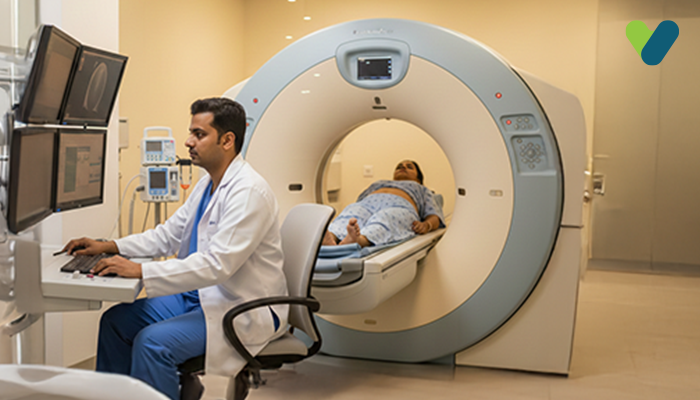
To help assess cardiovascular health by testing different types of fats in the blood, a lipid profile test is performed to measure them. It gives details concerning cholesterol and triglycerides, which are necessary for normal body processes but can cause health hazards when present at abnormal levels.
Knowing the lipid profile normal range assists you to interpret your report and communicate about possible concerns to your healthcare professional. The outcome would be considered in terms of age, medical history, blood pressure, diabetes condition and other risk factors towards cardiovascular diseases.
What Is a Lipid Profile Test?
A blood test used to check the levels of cholesterol and triglycerides in the blood is a lipid profile. Doctors can prescribe it at the time of regular check-ups or to assess the possibility of cardiovascular disease.
The primary lipid profile test parameters are usually:
Total cholesterol: It is the term that indicates the total level of cholesterol in the blood.
- LDL cholesterol: It may also be referred to as bad cholesterol since when there are too many of these cholesterols in the body, they may cause a plaque to be formed on the walls of the arteries.
- HDL cholesterol: It commonly refers to good cholesterol since it helps to take cholesterol out of the blood vessels.
- Triglycerides: A kind of fat that is used to provide energy to the body.
There are also some reports that contain non-HDL cholesterol and other calculated measurements.
Lipid Profile Normal Range
The lipid profile normal range is conditional on the individual level of lipid profile and cardiovascular risk in the individual. General principles for adults involve the following values, although treatment objectives might be different.
Lipid Profile Test Normal Range Chart
| Parameter | General desirable level for adults |
|---|---|
| Total cholesterol | Below 200 mg/dL |
| LDL cholesterol | Below 100 mg/dL is optimal for many adults |
| HDL cholesterol | At least 40 mg/dL in men and 50 mg/dL in women |
| Triglycerides | Below 150 mg/dL |
| Non-HDL cholesterol | Below 130 mg/dL is a generally desirable level |
These are recommendation guidelines, and not universal treatment targets. People with cardiovascular disease, diabetes or other risk factors might require a reduced LDL cholesterol level.
What Is the Normal Level of Lipid Profile?
Normal level of lipid profile represents the results of what are desirable levels of the individual. The medical practitioner cannot determine a medical person to be healthy based on a single figure, and that is why the medical practitioner will examine the whole report.
Lipid Profile Normal Range Male
The lipid profile normal range for males will follow the same pattern as the adult cholesterol target, but the range of HDL cholesterol varies according to sex. The target levels of HDL are no less than 40mg/dl in men, and general cardiovascular risk affects the LDL treatment objectives.
Understanding Lipid Profile Test Range
Depending on the laboratory and the manner in which it provides the test results, the lipid profile test range might differ on the lab report. Your doctor is able to inform you on whether your outcome requires lifestyle changes, further assessment or interventions.
How to Improve an Abnormal Lipid Profile
An abnormal lipid profile does not necessarily have any symptoms. Alterations in lifestyles could result in better cholesterol and triglycerides levels and some people would need medication.
- Follow a Heart-Healthy Diet: Select vegetables, fruits, whole grains, beans, nuts and other high-fibre foods. Limit saturated and trans fats, highly processed foods and excess added sugar. Substituting the saturated fats with the unsaturated ones will aid in an enhancement of LDL cholesterol.
Also Read:Top 9 Foods To Avoid In High Cholesterol
- Exercise Regularly: Exercise can assist in establishing a balance between heart health and healthier triglyceride and HDL levels. The aim for adults should be to achieve moderate-intensity aerobic exercise of at least 150 minutes per week, which may be based on their capabilities and the advice of a medical doctor.
- Maintain a Healthy Weight: When being overweight you can slowly start losing the weight and this may be helpful in lowering the amount of triglycerides and adding to the amount of cholesterol levels. Also, routine workouts and diet changes are more beneficial than the restraining one.
- Limit Alcohol and Avoid Smoking: Excess of alcohol can enhance triglycerides. Smoking leads to a rise in heart disease and can also negatively impact HDL cholesterol. Help in heart health may come from avoiding tobacco and limiting or denying alcohol intake.
- Follow Medical Advice: A change of lifestyle is not a good enough solution, and thus a medical expert may recommend a cholesterol-lowering medication, based on your aggregate risk. Do not take or discontinue prescription medicine without physician recommendation.
Also Read:Best Tips On How To Increase HDL Cholesterol
When Should You See a Doctor About Your Lipid Profile?
Discuss your results with a medical professional in case of increased cholesterol, triglycerides, diabetes, high blood pressure, kidney disease or family history of early cardiovascular disease.
Recognising Borderline Results
A borderline finding can give an indication that a measurement is approaching a level of higher risk. It is important, depending on which parameter is affected and your overall health.
When Multiple Values Are High
When combined with an increased level of LDL cholesterol and triglycerides, your clinician would check blood sugar, thyroid, medications and other possible factors, as well as dietary and physical activity. The response that will be appropriate will be based on how vulnerable you are and how severe the consequences are.
Conclusion
Learning about your lipid profile can aid you in making wise choices about cardiovascular health. Examine your lipid profile test normal range and your whole report and talk over your abnormal values with your healthcare professional.