

Mr. Rajesh (61-years-old) worked in a private company in Patna. He has had chronic kidney problems for the last 5 years and is under the supervision of experts. But very recently, the doctors advised him for dialysis as his kidneys stopped working utterly. Though doctors suggest dialysis, they also advised him to follow a proper diet chart for dialysis patients. Here we are going to discuss the dialysis diet chart and what food items a dialysis patient should avoid. But before that let’s take a look at what is dialysis?

Dialysis is a medical process that purifies your blood when your kidney stops functioning. Your kidneys play a pivotal role in purifying the blood by extirpating waste and excess fluid from the body. When your kidneys can’t function properly, dialysis is recommended as a substitute for the kidneys. This process is called renal replacement therapy. A dialysis machine replaces the primary work of kidneys.
Nutrients to Avoid From Diet Chart for Dialysis Patients
But the patients should follow a healthy dialysis diet chart that makes their body nutrient-rich and energetic. Here are some prime things that dialysis patients should be careful of while taking their diet.1. Potassium
Potassium levels may elevate between dialysis sessions and can affect your heartbeat. Too much potassium consumption may be dangerous for your heart. It may even cause death.
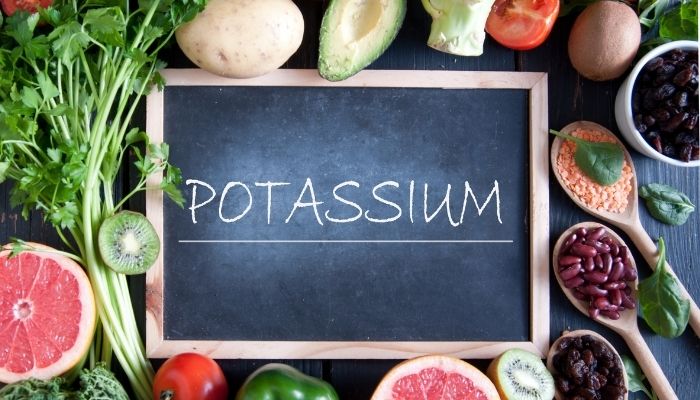
Thus, to control your potassium level, discard food items like milk and dairy products, bananas, dry fruits, etc., that are rich in potassium. Limit your intake of oranges and melons and other low potassium fruits. Some fruits may contain high potassium levels. Many vegetables are also rich in potassium. You can keep vegetables in water for leaching to remove a lot of the potassium before consumption.
2. Sodium
Patients who are on dialysis, should restrict the amount of sodium in their food. Common salt used in food is the prime source of sodium in the food.
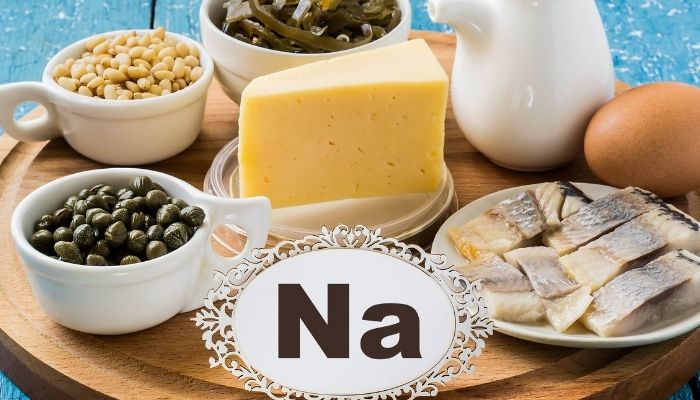
You need to minimize the amount of salt in your food gradually. Initially, you may find it difficult to consume food without normal salt, but your body will gradually become accustomed to it. Try to eat fresh foods that are low in sodium salts.
3. Phosphorus
Based on your condition, your doctor may advise taking phosphate-binding medications to manage your blood’s phosphorus between dialysis sessions.
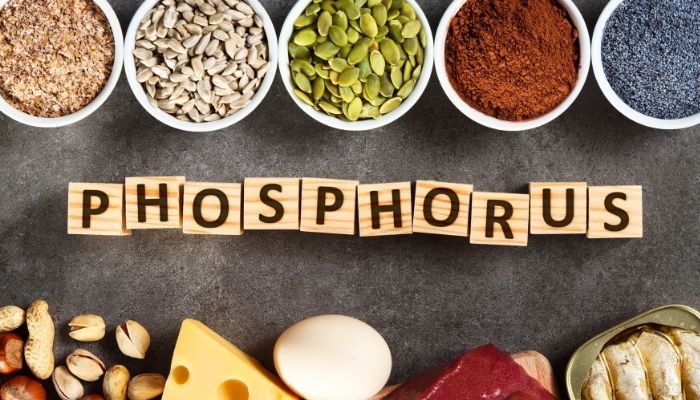
These medications may soak phosphorus and restrict it from entering the blood. Foods that are rich in phosphorus are milk, paneer, tofu, cheese, curd, chicken, eggs, fish, cola drinks, chocolate, nuts, soy foods, oats, ready to eat foods. You should consume foods that are low in phosphorus like fresh foods, fresh vegetables, and white bread.
4. Fluids: Drink other fluids apart from water. Minimize your salt intake as more salt infers more thirst.
5. Protein: Before starting your dialysis, your doctor will recommend you to follow a low-protein diet. But during your dialysis, this may change. People who are on dialysis are encouraged to eat more high-quality protein food items whenever possible. Protein makes your muscle healthy and repairs tissues. Protein will safeguard you from various infections and help your body to recover quickly from surgeries. High-quality protein food items are meat, fish, poultry, and eggs (especially egg whites).
Food Chart for Dialysis Patient
- Breakfast: You can start your day with a bowl of wheat upma and vegetables or oats upma with vegetables or dosa (3) with sambar or idli (4) or a bowl of oats or paratha (2) or vegetable sandwiches with wheat bread (4)
- Mid Meal: watermelon (100 gm)/strawberries/musk melon (100 gm)/papaya (100 gm)/pineapple (100 gm)/apple
- Lunch: An ideal lunch could be 1 cup of rice with 2 chapatis along with vegetable curry or tuna fish
- Evening Snack: You can take sweet potato salad with green tea/ boiled green gram sprouts with lemon/ 1 bowl unsalted popcorn/ 1 small fistful (40 gm) of peanuts, almonds, walnuts/ 1 cup boiled Bengal gram with lemon
- Dinner: For your dinner, you can take 3 chapatis with tinda curry or bottle gourd curry or lauki ki sabji or raw banana ki sabji/ 1 cup rice with salads
Foods for Kidney Patients
1. Cauliflower: Cauliflower comes up with many essential nutrients like Vitamin C, K, and B. Moreover, it has anti-inflammatory properties. One cup (124 gm) of cauliflower (cooked) comprises:- Sodium: 19 mg,
- Potassium: 176 mg
- Phosphorus: 40 mg phosphorus
- Sodium: 1.5 mg
- Potassium: 114 mg
- Phosphorous: 18 mg
3. Sea Bass: This comes up with high-quality protein and omega-3 fatty acids. Also, 85-grams of sea bass (cooked) comprises:
- Sodium: 74 mg
- Potassium: 279 mg
- Phosphorous: 211 mg
- Sodium: 110 mg
- Potassium: 108 mg
- Phosphorous: 10 mg
- Sodium: 1.5 mg
- Potassium: 36 mg
- Phosphorous: 14 mg
- Sodium: 63 mg
- Potassium: 216 mg
- Phosphorous: 192 mg
- Sodium: 3 mg
- Potassium: 102 mg
- Phosphorous: 20 mg
- Sodium: 2 mg
- Potassium: 180 mg
- Phosphorous: 13 mg