What is Eisenmenger syndrome?
Eisenmenger syndrome is not a primary disease but rather the most severe, late-stage complication of a large, long-standing, uncorrected congenital heart defect (CHD) that initially causes a significant left-to-right heart shunt.
To fully understand this, let’s quickly review normal heart function:
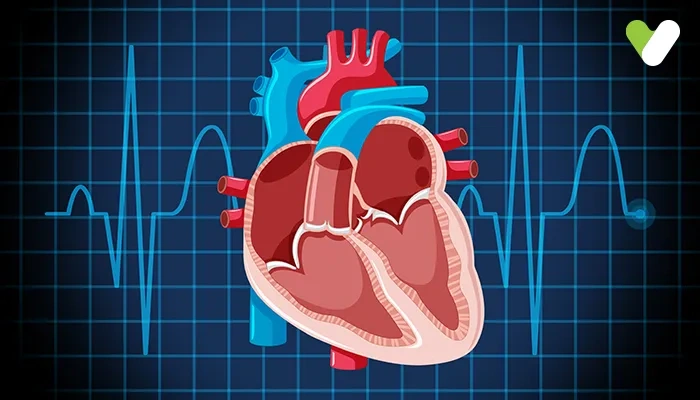
- The left side of your heart pumps oxygenated (red) blood out to the body.
- The right side of your heart pumps deoxygenated (blue) blood to the lungs to pick up oxygen.
- The chambers and great vessels are normally sealed, keeping the two types of blood separated.
In a person with a large CHD (like a hole in the wall between the heart chambers), the high pressure on the left side of the heart pushes blood into the lower-pressure right side; this is the initial left-to-right heart shunt. This abnormal flow directs a massive amount of extra blood into the lungs.
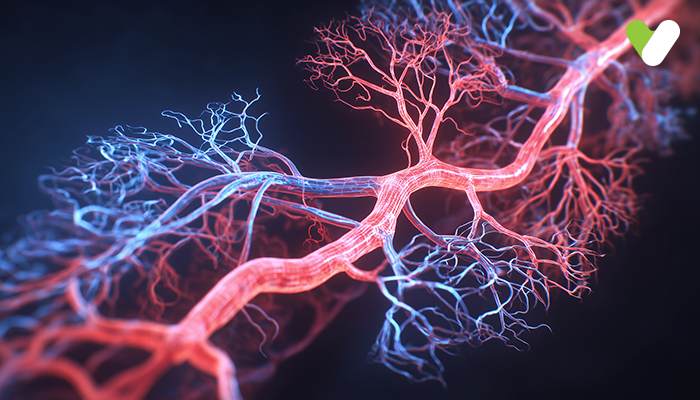
Over many years, the delicate blood vessels in the lungs are constantly stressed by this high volume and pressure. In response, they stiffen, narrow, and become damaged. This irreversible damage causes a dramatic and severe rise in blood pressure, specifically within the lung arteries, a condition known as Pulmonary Arterial Hypertension (PAH).
When the pressure in the lungs and the right side of the heart finally exceeds the pressure on the left side, the abnormal blood flow reverses. The heart shunt becomes right-to-left. Now, oxygen-poor (blue) blood flows directly from the right side of the heart into the left side, mixing with the oxygen-rich blood that goes out to the body.
What are the Eisenmenger syndrome causes?
The underlying cause of Eisenmenger syndrome is a significant congenital heart defect that was not repaired early enough in life. While modern pediatric cardiac care has drastically reduced the incidence of this syndrome, it still occurs in adults who were born before these surgical techniques were common or in parts of the world with limited access to care.
The congenital heart defects most likely to progress to Eisenmenger syndrome are large "shunts" that involve contact between the high-pressure left side and the low-pressure right side:
- Ventricular Septal Defect (VSD): The most common cause, a large hole in the wall (septum) separating the two lower pumping chambers (ventricles).
- Atrial Septal Defect (ASD): A large hole in the wall separating the two upper collecting chambers (atria).
- Patent Ductus Arteriosus (PDA): A large, persistent connection between the aorta and the pulmonary artery that fails to close after birth.
- Atrioventricular Septal Defect (AVSD): A complex defect involving the septa and the heart valves.
The key thread among all Eisenmenger syndrome causes is the large size of the defect, which allows a massive volume of blood to pass from the left side of the heart to the lungs, eventually triggering the cascade of pulmonary vascular changes.
What are the Symptoms of Eisenmenger Syndrome?
The Eisenmenger syndrome symptoms typically don't manifest until adolescence or adulthood, sometimes well into the third or fourth decade of life, because the pulmonary vascular damage takes years to develop.
The symptoms are a direct result of two main factors: the low oxygen level in the body (hypoxemia) due to the right-to-left shunt, and the high pressure in the pulmonary arteries.
Primary Eisenmenger Syndrome Symptoms:
- Cyanosis: The most notable sign. A bluish or purplish tint to the skin, lips, mucous membranes, fingers, and toes, caused by the low oxygen content of the blood circulating systemically.
- Shortness of Breath: Especially during exertion. This is the most common symptom and worsens as the disease progresses.
- Fatigue and Weakness: Due to the heart muscle struggling against high pressure, and the body's tissues receiving insufficient oxygen.
- Clubbing: A painless enlargement and rounding of the tips of the fingers and toes.
- Chest Pain or Tightness: Often related to the high pressure in the lungs or the overworking of the heart's right ventricle.
- Dizziness or Fainting: This can be a sign of the right ventricle failing or due to sudden drops in systemic blood pressure.
- Palpitations: A feeling of irregular or rapid heartbeat, often caused by arrhythmias.
Secondary Eisenmenger Syndrome Symptoms:
The body tries to compensate for the low oxygen by producing more red blood cells, a condition called secondary erythrocytosis (or polycythemia). While this helps carry more oxygen, it also makes the blood thicker, which can lead to:
- Headaches
- Blurred vision
- Gout (due to increased uric acid levels from high red blood cell turnover)
- Increased risk of stroke
Complications of Eisenmenger syndrome
Eisenmenger syndrome is a multi-system disorder that affects nearly every organ due to chronic low oxygen and high blood pressure. Managing these complications is central to any effective Eisenmenger syndrome treatment.
- Heart Failure: The right side of the heart (right ventricle) works against extreme pressure in the lungs for years. Eventually, the muscle fatigues, thickens, and begins to fail.
- Arrhythmias: Abnormal heart rhythms (like atrial fibrillation or ventricular tachycardia) are very common due to stretching and scarring of the heart chambers. These can be life-threatening and a frequent cause of sudden death.
- Stroke and Brain Abscess: The right-to-left heart shunt allows small blood clots that form in the veins to skip the lung filter and travel directly to the brain, causing a stroke. Furthermore, bacteria can also bypass the lungs, leading to a brain abscess.
- Bleeding Complications: The syndrome causes a delicate balance between increased blood viscosity (thickness) and impaired blood clotting function, leading to a risk of both blood clots and excessive bleeding, especially coughing up blood.
- Kidney Failure: Chronic low oxygen and poor blood flow gradually damage the kidneys.
- Infections: People with structural heart defects are at higher risk for a serious infection of the heart lining or valves, known as infective endocarditis.
- Pregnancy Complications: Eisenmenger syndrome in pregnancy is extremely high-risk. The added stress on the cardiovascular system can lead to severe decompensation, making it very dangerous for the pregnant woman and the baby. The risk of maternal death is alarmingly high, and pregnancy is usually strongly discouraged.
How do doctors diagnose Eisenmenger syndrome?
Diagnosing Eisenmenger syndrome relies on a combination of medical history, physical examination, and specialized diagnostic tests. The doctor will look for the tell-tale signs of a large uncorrected heart shunt and advanced Pulmonary Arterial Hypertension.
- History and Physical Exam: The doctor will look for evidence of cyanosis and digital clubbing. They will also listen to the heart and lungs, often noting a specific heart murmur and a loud, single second heart sound, which is characteristic of high pulmonary pressure.
- Diagnostic Tests
- Pulse Oximetry: A non-invasive test using a sensor on the finger to measure the oxygen saturation level in the blood, which will be low.
- Echocardiogram (Echo): An ultrasound of the heart. This is crucial for visualizing the underlying congenital heart defect (the shunt), estimating the pressure in the pulmonary artery, and assessing the function of the right ventricle.
- Chest X-ray and ECG: These can show enlargement of the right heart chambers and the main pulmonary artery, signs of pulmonary hypertension, and signs of right ventricular strain.
- Cardiac Catheterization: This is often performed to confirm the diagnosis and severity. A catheter is guided into the heart and pulmonary artery to directly measure the pressure in the lungs and the degree of pulmonary vascular resistance.
- Blood Tests: A Complete Blood Count (CBC) will show a high number of red blood cells (polycythemia). Tests are also done to check for iron deficiency (which can worsen symptoms) and assess kidney and liver function.
- Six-Minute Walk Test: Measures the distance a patient can walk in six minutes. This helps assess functional capacity and track disease progression or response to Eisenmenger syndrome treatment.
How is Eisenmenger syndrome treated?
Sadly, once the pulmonary vascular damage characteristic of Eisenmenger syndrome has occurred, it is generally considered irreversible. The underlying heart defect cannot be surgically repaired. Attempting to close the heart shunt at this stage can be lethal because the right ventricle would suddenly have nowhere to pump its blood, leading to immediate right-sided heart failure.
Therefore, Eisenmenger syndrome treatment focuses entirely on:
- Managing Symptoms: Improving quality of life and functional capacity.
- Slowing Disease Progression: Protecting the pulmonary blood vessels.
- Preventing Complications: Minimizing the risk of stroke, bleeding, and infection.
Pulmonary Arterial Hypertension Targeted Therapy
PAH-targeted therapies focus on four main pathways: endothelin, nitric oxide, prostacyclin, and soluble guanylate cyclase. New therapies target the transforming growth factor-beta pathway. Treatment in PAH-targeted therapies involves a combination of drugs from these pathways. The initial combination therapy is recommended for low-to-intermediate risk patients.
Symptomatic and Complication Management
- Anticoagulants: To prevent blood clots and reduce the risk of stroke, though their use must be carefully balanced due to the risk of hemoptysis.
- Blood Withdrawal: Only performed cautiously and rarely. If the blood is dangerously thick and causing severe symptoms (e.g., headache, vision changes), a small amount of blood may be withdrawn and immediately replaced with intravenous fluid to lower the concentration of red blood cells without causing dehydration or iron deficiency.
- Iron Supplementation: Often needed to maintain proper red blood cell quality, even with polycythemia.
- Oxygen Therapy: May be used at night or during travel, but continuous use is debated and typically reserved for severe cases.
Transplantation
For patients whose disease is rapidly progressing despite maximal medical therapy, the only definitive cure is heart-lung transplantation or a lung transplant with closure of the shunt. However, this is a major surgery with significant risks and is limited by the availability of donor organs.
How do I take care of myself?
Living with Eisenmenger syndrome requires a commitment to a detailed and disciplined self-care routine, always under the guidance of a specialist.
- Adherence to Medication: Take all prescribed medications for PAH and related conditions exactly as instructed. Never stop or change the dosage without consulting your Adult Congenital Heart Disease (ACHD) specialist.
- Stay Hydrated: Dehydration can increase the viscosity (thickness) of your blood and raise the risk of clots. Drink plenty of fluids, especially when traveling or in heated environments.
- Avoid High Altitudes: High altitudes have lower oxygen levels, which can dangerously worsen your cyanosis and symptoms. Avoid traveling to locations above 5,000 to 6,000 feet.
- Physical Activity: While strenuous, competitive, or isometric exercise (like heavy weightlifting) should be avoided, moderate activity like gentle walking is often encouraged to maintain muscle mass and general fitness. Discuss a specific, safe exercise plan with your cardiologist.
- Infection Prevention: Get the flu and pneumonia vaccines. Be vigilant about avoiding infection, which can quickly destabilize your condition.
- Avoid Smoking: Smoking is extremely damaging to the lungs and heart and must be strictly avoided.
- Contraception: Due to the extremely high risks of Eisenmenger syndrome in pregnancy, effective contraception is mandatory for females of childbearing age. Discuss permanent sterilization or highly effective long-term methods with your doctor.
What can I expect if I have this condition?
Eisenmenger syndrome life expectancy has significantly improved in recent decades due to advances in specialized care and the introduction of advanced PAH-targeted therapies.
While it is a progressive, life-limiting condition, many people with Eisenmenger syndrome can live into their 40s, 50s, and sometimes even longer. This is the case especially for those who adhere strictly to their specialized Eisenmenger syndrome treatment plan.
Here’s what you can expect when you have Eisenmenger syndrome:
- Lifelong Specialized Care: You will need to be followed closely by an ACHD team for the rest of your life.
- Quality of Life: While physical activities will be limited, with proper management, many people maintain a good quality of life, often continuing to work (in non-strenuous jobs) and enjoy social lives.
- The Focus of Treatment: The main goal is to manage pulmonary hypertension and prevent complications like stroke and heart failure.
- Coping and Support: Living with a chronic, complex condition can be emotionally taxing. Counseling, joining support groups, and connecting with other individuals with Eisenmenger syndrome can be invaluable.
When should I see a doctor or Cardiologist?
If you have a known history of an uncorrected congenital heart shunt (VSD, ASD, PDA) or if you are experiencing new symptoms like cyanosis, severe shortness of breath, or unexplained fainting, you need to see a doctor immediately.
- For Diagnosis: If you suspect a problem, your primary care physician should refer you to a cardiologist who specializes in adult congenital heart disease (ACHD).
- For Management: Once diagnosed with Eisenmenger syndrome, all your care should be centralized with an ACHD specialist team at a tertiary care center. These specialists are best equipped to manage the complexity of the condition, including the advanced Eisenmenger syndrome treatment therapies.
Key Take aways
Eisenmenger syndrome is a serious, complex, but manageable chronic condition.
- Core Definition: It's the end-stage complication of a large, uncorrected congenital heart defect (a heart shunt like a VSD), leading to severe, irreversible Pulmonary Arterial Hypertension (PAH) and a reversal of the blood flow (right-to-left shunt).
- Main Symptom: Cyanosis (bluish skin) due to oxygen-poor blood entering the systemic circulation.
- High Risk: Eisenmenger syndrome in pregnancy carries a dangerously high risk and must be avoided.
- Treatment Focus: No surgical cure exists; Eisenmenger syndrome treatment focuses on managing the PAH with advanced therapies (like ERAs and PDE5i) and preventing complications.
- Prognosis: While life expectancy is reduced, advanced care allows many individuals to live well into middle age and beyond. Lifelong follow-up with an ACHD specialist is essential to maximize the Eisenmenger syndrome life expectancy and quality of life.
This condition demands a committed partnership between you and your specialized care team.