Hair is often linked with cultural expression, self-esteem and personal identity.Most people
groom and style their hair regularly,whereas in the case of people with trichotillomania, hair
generates mental distress. A characteristic feature of trichotillomania, a mental disorder,is the
compulsive desire to tear one's hair that leads to visible loss of hair and emotional distress.
Although it has been mistaken for a bad habit, trichotillomania is a mental illness. In order to
deliver humane care and reduce stigma, the symptoms, causes, available treatments, and
therapies of stigma are important to understand.
Besides providing answers to commonly posed questions, including whether trichotillomania
leads to permanent hair loss, when it commonly begins and how to stop it, this guide describes
the disorder in detail.
What is Trichotillomania?
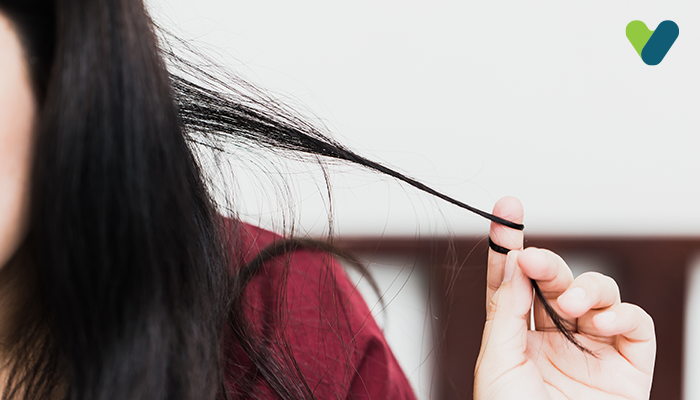
Patients with trichotillomania, otherwise known as hair-pulling disorder,uncontrollably pull out
hair on their eyelashes, eyebrows, head, and other parts of the body.Though the act provides
some temporary relief or reprieve, there is usually a feeling of guilt, shame or mental
uneasiness that comes later.
The disease is under the Obsessive-Compulsive and Related Disorders category in DSM-5
(DiagnosticandStatisticalManualofMentalDisorders). As well, it is an example of a
body-focused repetitive behaviour (BFRB) in the ICD-11of the WorldHealthOrganisation. This
classification underlines that it is a mental disease and not a habit.
Read More: EverythingYouNeedtoKnowAboutObsessiveCompulsiveDisorders
Unlike fidgeting, trichotillomania is repetitive and obsessive, and can not be stopped through
self-control.The process is often the following: need - pulling the hair - temporary relief -shame/guilt.This cycle reinforces the behaviour progressively,and it becomes harder to quit
without professional treatment.
Trichotillomania may co-exist with other BFRBs, such as nail-biting or skin-picking condition
(excoriation).The difference, though, is that it is an extreme case of hair loss and the
psychological burden.
TrichotillomaniaSymptoms
Whereas trichotillomania can have different symptoms, they are generally characterized by:
- Repeatedly pulling out hair till it is obvious that it is gone.
- An intense desire or tension before pulling, followed by a feeling of release.
- Rituals involving pulling, such as checking, twisting and eating hair.
- Social withdrawal to hide loss of eyelashes or hair baldness.
- Emotional challenges, including depression, nervousness or shame.
Some people are known to automatically pull their hair when bored or stressed, but others are
conscious of their behaviour.
What is the average age of onset of Trichotillomania?
Studies indicate trichotillomania typically begins at the age of 10-13 years during late childhood
or very early adolescence. However,it may manifest itself at almost any stage of life.
Pulling in children that are young toddlers could be a temporary condition that subsides.
There is a higher chance of it persisting and requiring treatment in trichotillomania among adults
and teenagers.
Unmanaged cases may take years to resolve and have a great detrimental effecton quality of
life, hence the need to manage them early.
TrichotillomaniaCauses
Most psychiatrists feel that a combination of factors causes trichotillomania, and the exact
causes are not fully understood.
- Genetics: Family studies indicate an element of genetics.
- Brain chemistry: Abnormalities in serotonin and dopamine may play a role in compulsive behaviours.
- Anxiety and stress: Many of the episodes are triggered by stressful or demanding situations.
- Problems in emotional regulation: Hair-pulling may be an emotional coping mechanism.
- Personality traits: Impulsive and perfectionistic people are more susceptible to vulnerability.
This brings to an important question: Does stress alone influence trichotillomania? No, is the
response. Stress may worsen the condition, though biology and environmental experiences
could contribute to the condition.
Read More: Top10StressManagementTechniques
Trichotillomaniaand Emotional Triggers
The incidences of hair-pulling might be attributed to:
- Pulling is a boredom or weariness stimulation.
- Hair-pulling provides a temporary mood of tension or worry.
- Others are relaxed and comfortable with the feeling.
This connection is why trichotillomania often becomes especially bad in times of stress at work,
during exams, or with personal problems.
Is it Permanent Hair Loss Caused by Trichotillomania?
The rate and severity of pulling determine the regrowth of hair.
After being pulled off,hair grows back frequently.
The same place tugging over time may damage the follicles and lead to baldness or permanent
thinning.
This highlights the importance of treating trichotillomania as soon as possible to prevent
emotional and long-term physical impacts.
TrichotillomaniaTreatment
Some common treatment procedures that are successful in the treatment of trichotillomania
involve behavioural and psychotherapy,as well as, at times, medication.Generally,
psychiatrists recommend:
- Cognitive behavioural therapy (CBT): It helps human beings to recognize triggers and
- replace the behaviour that is a better and pulling. It helps individuals recognize triggers and replace the hair-pulling habit with another behavior.
- Habit Reversal Training(HRT):This is a particular form of treatment where patients are taught to substitute hair-pulling with non-harmful activities
- Dialectical behaviour therapy(DBT): It helps to manage impulsiveness and emotional instability.
- Mindfulness-based treatments: When experiencing cravings, learn how to be mindful and self-contain.
- Medication: No drug exists that could cure trichotillomania, but some can reduce the anxiety or compulsive behaviour that accompanies it.
Read More: Top9BenefitsOfCognitiveBehaviouralTherapyAndHowDoesCBTWork?
Therapies of trichotillomania in real life.
Lifestyle changes contribute to the recovery along with formal therapy:
- Stress can be reduced by means of yoga, breathing exercises and meditation.
- Wearingprotection to make tugging more difficult, e.g. bandages or caps.
- Fingerplay with crafts, stress balls, or other fidget toys.
- Support groups that reduce loneliness as well as encourage.
These trichotillomania therapies may assist individuals in their recovery journey and accompany
drug therapy.
Is TrichotillomaniaAddictive?
Trichotillomania is repetitive and compulsive; therefore, it has been compared to addiction.
Though psychiatrists usually define it as an impulse-control disorder rather than an addiction.
The difference is in the motivation, where addictions usually pertain to external stimuli or
gratification, whereas trichotillomania is driven by self-interests and emotional control.However,
the tendency to find, do, and seek instant relief is similar to addiction.
Are People with Trichotillomaniaalways aware that they are removing their hair?
Not all the time.Some deliberately pull their hair,mostly when they are experiencing a heavy load of stress.Others learn it automatically,subconsciously,as they study,watch television, and
read.
This duality of intentions complicates treatment since techniques need to address voluntary and
involuntary behaviours of persons.The first step should be the creation of awareness through
treatment.
What can be done to prevent Trichotillomania?
Though no magic bullet exists, there are a few methods to help people slow down or stop
pulling their hair over time.
- Identify triggers by noting the times that you experience cravings in your journal.
- Break the habit by using other behaviours, like squeezing a stress ball.
- Use barriers to wear clothes or other materials to protect frequently targeted areas.
- Workon self-compassion by not feeling guilty and instead focusing on development, not
- perfection.
- Obtain professional help with organised therapy,which a psychiatrist could oversee.
Despite the length of time needed to recover,with perseverance, many individuals can
overcome trichotillomania.
What it is like to live with Trichotillomania
Although trichotillomania symptoms can be debilitating, it is important to remember that the
process of healing is time-consuming and laborious. It is found by many individuals that by
applying daily coping skills to the problem, such as mindfulness or relaxation exercises, the urge
to pull is diminished in conjunction with professional treatment of trichotillomania. Awarenessof
personal triggers is also important to increase. The cause may be boredom or emotional pain in
some, and tension is the prime culprit in others. Discovering these trends helps select the most
effective trichotillomania therapies.
Social support is another important part of recovery.Loneliness can be alleviated with the help
of sharing experiences in a safe environment, whether in peer groups, family,or friends.
Education also plays a critical role, given the fact that empathy often replaces judgment when
those surrounding you understand that trichotillomania is not a habit but a recognised condition.
Such a shift in approach can encourage individuals to resort to professional help without shame.
Emotional/Social Impact of Trichotillomania
Trichotillomania includes the external behaviour of pulling the hair,as well as the emotional
tension beneath it that is not noticeable. Many have self-consciousness as a problem due to the
trichotillomania symptoms, especially when the hair loss becomes noticeable. Absence of
eyelashes or bald patches on the head may be an unwanted focus and, therefore, may lead to
social withdrawal and discomfort. This can ultimately result in depression, stress and low
self-esteem.
Trichotillomania often has an emotional impact on relationships. Initially,friends and family
members may fail to understand the problem due to the belief that it is a mere habit, which can
be stopped anytime you wish. This ignorance might create tension and even a confrontation.
The causes and treatments of trichotillomania can be taught to members of the family,which
may encourage tolerance, compassion, and support. When an enabling environment is
established, people feel less isolated and are more likely to take part in trichotillomania
treatments.
In Children and Adults with Trichotillomania
The development and presentation of trichotillomania may depend on age group, although it
usually begins in late childhood or early adolescence.
- Children: In very young children, the hair-pulling may be temporary and sometimes resolve without any formal treatment of the trichotillomania.However,the intervention of a professional is necessary in case the behaviour does not improve, and the symptoms of trichotillomania become even more severe.
- Teens:Social stress, body image problems, and academic pressure are among the emotional stressors common in adolescents and are often more severe.Such conditions may exacerbate hair-pulling, and therapy and counselling are especially essential.
- Adulthood: During adulthood, trichotillomania results in a chronic condition.The longer the habit, the greater is its likelihood of causing permanent hair loss. Totreat ingrained behaviours, adults often require organized trichotillomania treatment such as CBT or DBT.
This knowledge of the elderly highlights the importance of early diagnosis and lifelong, ongoing
treatment.
Non-therapeutic coping strategies
Self-help and coping strategies are vital parts of rehabilitation despite the primary role trichotillomania treatment plays by professionals. Some of the winning strategies include:
- Journaling: The use of a journal to note the pulling desires may help identify causes and precipitants of trichotillomania.
- Mindfulness practice: Deep breathing, yoga, and meditation may assist in refocusing the mind and reducing anxiety.
- Creative distractions: Through the involvement of hands and mind through activities such as knitting, painting, or playing music, the chances of hair-pulling are reduced.
- Establishing a routine: Maintaining a regular sleep, exercise, and diet schedule will foster mental health in general and reduce the effects of trichotillomania caused by stress.
When these methods are used alongside the official treatment of trichotillomania, people might become stronger and reinforce their recovery.
Conclusion
Trichotillomania is a complex mental disorder that affects not only the body but also the mind, and it is far more than a mere habit. It is an extremely painful disorder to the mind, socially and physically, with side effects such as hair loss. It is important to remember, though, that trichotillomania can be treated and managed with proper treatment and methods.
Early identification and immediate response are needed to achieve better outcomes. Professional care may be an important component, irrespective of the manifestation of the problem in adults, teenagers, or children. Evidence-based therapies, including cognitive behavioural therapy (CBT), habit reversal training (HRT), and mindfulness techniques, have proven to be highly effective in reducing symptoms. Self-compassion, community support and lifestyle changes are critical to the healing process.
Most importantly, the process of healing requires tolerance, endurance and understanding. Through knowledge, professional guidance, and family support, people with trichotillomania can feel in control again, rebuild their self-confidence and move on to lead better and more fulfilling lives. Compassion, both to self and to society, remains the seed of long-lasting change.
References