
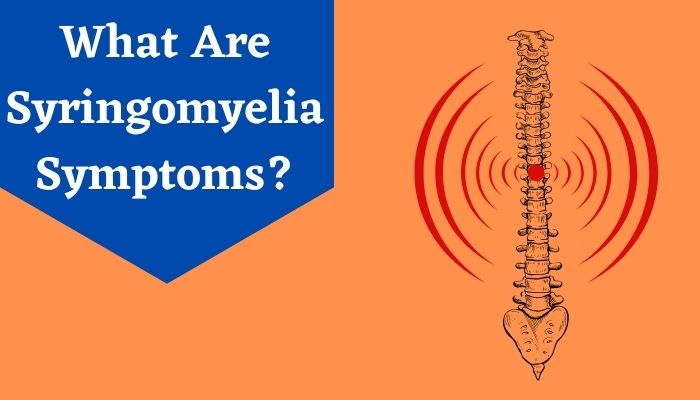
Syringomyelia is a persisting health condition where fluid-filled cysts (called a syrinx) develop inside your spinal cord. The cysts may develop gradually and damage your spinal cord. Syringomyelia symptoms could be weakness, stiffness, excruciating pain and so on. This condition can also be called hydromyelia, syringohydromyelia, or Morvan disease.
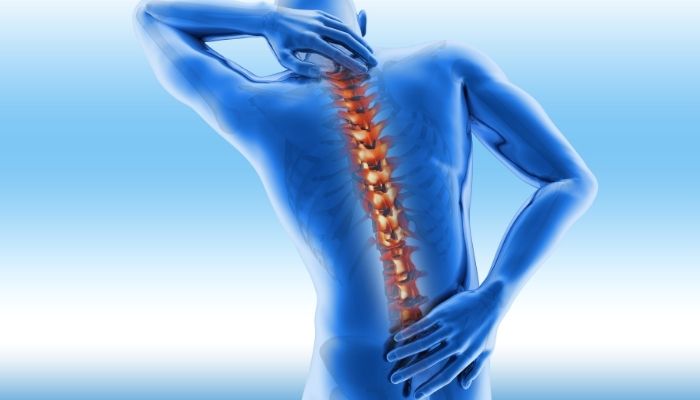
Initially, you may not feel the symptoms, but if not treated, then this condition may develop some serious problems. Adults between their 20s and 40s may develop this condition. But anyone can get this condition, irrespective of their age. Men are more susceptible to developing this condition than women.
Syringomyelia Symptoms and Diagnosis
Based on the location and the size of cysts, you may develop symptoms. The cysts grow wider with time and may damage the nerves in the center of your spinal cord. You may experience chronic pain that could be difficult to treat.Symptoms will spread gradually over the years. Sometimes, they may appear abruptly after an accident or a sudden fall. Other symptoms are:
- The curvature of the spine (called scoliosis)
- Changes in bowel movement and bladder function
- Excessive sweating
- Can’t feel hot and cold in the fingers, hands, arms, and upper chest
- Loss of reflexes
- Muscle stiffness
- Difficulties in walking
- Muscle weakness, especially in the arms, hands, and shoulders
- Feeling numbness
- Tingling or burning sensation
- Pain in the neck, shoulders, and sometimes arms and hands
- Paralysis (in severe cases)
- Headaches
- Sexual problems
- Blood pressure changes
- Unintentional muscle contractions
- Clumsy movements
- Tired eyelids
- Thinning of the opening between the eyelids
- Reduced pupil size
- Lessened sweating on the affected side of the face
Types of Syringomyelia
1. Congenital syringomyeliaThis is called communicating syringomyelia which is associated with a baby’s brain development during pregnancy. The doctors often called this a “Chiari malformation” which pushes down the lower part of the baby’s brain into the spinal canal. As a result, the normal flow of fluid between the spine and the brain gets blocked and forms cysts. But not everyone with a Chiari malformation may have this disorder. Symptoms usually become prominent between ages 25 and 40.
2. Acquired syringomyelia
This is called primary spinal or non-communicating syringomyelia. It occurs when a cyst grows in an injured part of the spinal cord. It may happen due to the following reasons,
- Inflammation in the covering of the spinal cord
- Meningitis
- Spinal cord injury
- Spinal tumor
- Tethered spinal cord
Diagnosis
- By doing an MRI, your doctor understands this condition
- Sometimes, you may need an X-ray procedure called a CT scan of your spine
Syringomyelia Treatment
Depending on your symptoms and their severity, you may need to opt for the treatment methods for syringomyelia.1. Monitoring
You may not need any treatment if you don’t have symptoms or if the symptoms are mild. Always go for regular checkups to monitor the growth of the cysts and the changes in signs and symptoms. Your doctor may suggest you stay away from some activities like heavy lifting that involve straining. He may also prescribe you some medications for pain or may recommend physiotherapy.2. Surgery
If your symptoms are severe and creating other problems, then you must go for surgery to reinstate the normal flow of the cerebrospinal fluid. The type of surgery will depend on what caused your syringomyelia. If you got syringomyelia due to a Chiari malformation, then your doctor will recommend a procedure called posterior fossa decompression.Under this procedure, your doctor will remove the back of your skull and spine. Thus, your brainstem and cerebellum (the part of the brain that governs your movements and balance) will get more space. Discuss with your doctor the risks and benefits of the surgery.
The prime aim of the surgery is to remove the pressure the syrinx places on your spinal cord. Surgery also reestablishes the normal flow of cerebrospinal fluid. This will minimize your symptoms and control nervous system function.
To lessen the pressure on your brain and spinal cord, surgery options are: