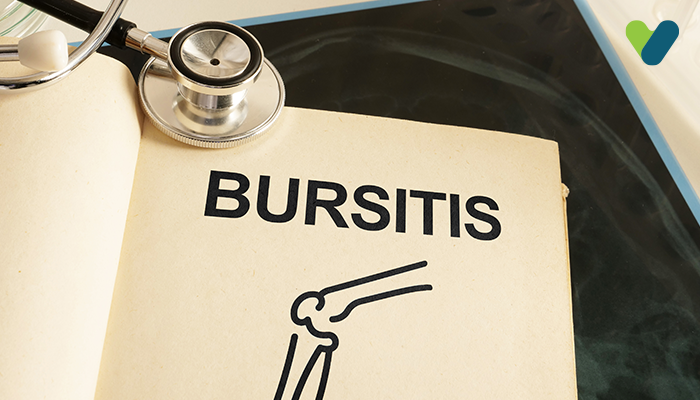
Today, let’s talk about Bursitis. Bursitis is one of those conditions that may sneak up on you. It is characterized by joint pain. Bursae are tiny fluid-filled cushions nestled between bones and soft tissues like muscles or tendons. Their primary function is to reduce friction and make your movement smooth. These cushions can sometimes become inflamed; this is called Bursitis. It can affect any joint in your body.
This blog delves into the definition, causes, symptoms, types, and treatment options for Bursitis. Since it is a condition that sneaks up on you, it is best to stay informed.
What is Bursitis?
Bursitis, at its core, is an inflammatory condition. Typically, small, fluid-filled bursae sacs cushion your joints, so you don’t feel any pain from friction. They act as soft padding between your bones and tendons. With this soft padding, your joints glide in and out of their sockets. Bursitis makes it so that this fluid-filled sac is inflamed, causing joint pain that can last a lifetime.
Bursitis might sneak up on you, but it is in no way a rare condition. Hundreds of bursae exist in your body, especially around the most-used areas like the shoulders, elbows, knees, hips, etc.
Causes of Bursitis
Causes of bursitis usually comprise two things: overuse or excess pressure.
For instance, if you are someone who scrubs the floor while kneeling, or you are someone who throws a baseball repeatedly, these repeated movements and long pressure can eventually begin irritating the bursae sacs around your joints. This can lead to swelling and pain.
Sometimes, the cause isn’t overuse; rather, it is a one-off injury. Maybe you had a fall or bumped into something; these are injuries that can cause inflammation. In some cases, broken skin anywhere around the joint can lead to bacteria entering the wound and infecting it. If this infection spreads to the joints, it is called septic bursitis.
Autoimmune disorders can also cause bursitis; conditions like gout, lupus, rheumatoid arthritis, or even diabetes can lead to inflammation of the joints. Autoimmune conditions can make your bursae more vulnerable to bursitis flare-ups. Structural issues, like poor posture, uneven leg length, bone spurs, etc., can set the stage for bursitis.
So, causes of bursitis encompass a range of problems. From repetitive movements to systemic conditions, the bursae around your joints can become inflamed from overuse and pressure.
Common Bursitis Symptoms
When bursitis occurs, it typically presents as three tell-tale symptoms: pain, swelling, and a restricted range of motion. The joint(s) begin to hurt, especially during movement or if you press around the area. The joint may feel stiff or tougher to move than usual.
The location of the bursitis matters; the bursitis can flare up or be dull depending on where in the body it is affecting you. It might feel like a dull ache, a sharp twinge, or even a burning pain. The skin around the affected area generally looks red and feels warm to the touch. This warmth and redness are common symptoms if the inflamed bursae sacs are closer to the skin surface, such as in the elbow and knee. Septic bursitis can cause symptoms like fever, chills, and a general feeling of being unwell.
You might notice swelling or puffiness around the joint. This comes from fluid build-up. The fluid build-up is seldom serious, but the pain and inability to move the joint can be serious. If your pain persists and you are unable to move your joints, and especially if these are accompanied by fever and chills, please consult a doctor right away.
Types of Bursitis
The type of Bursitis depends on the location and duration of the condition. It does not look the same in every patient. Let’s break this down:
By Location
- Bursitis of the knee joint is called Prepatellar Bursitis. It develops in front of the kneecaps. It is most common in people who kneel frequently. It is also known as the “handmaid’s knee.”
- Bursitis of the elbow joint is called Olecranon Bursitis. It develops at the elbow tip. It is often called “Miner’s elbow.” It is most common in those leaning on hard surfaces.
- When Bursitis affects the hip, it is called Trochanteric bursitis, and when it affects the heel joint, it is called retrocalcaneal bursitis. It is most commonly seen in athletes, especially runners or those with regular hip or heel stress.
- Bursitis in one’s bottom region is called Ischial Bursitis, or “weaver’s bottom”. It comes from sitting on hard surfaces.
- Bursitis occurring right below the kneecap is called infrapatellar bursitis, and the one occurring in the shoulder joint is called subacromial bursitis.
By Duration
- Acute Bursitis occurs due to sudden trauma, infection, or inflammatory diseases like gout.
- Chronic Bursitis comes from repetitive stress or poor posture over time.
- Calcific bursitis comes from calcium deposits on joints, particularly seen in the shoulders.
- Septic bursitis occurs when bursae sacs are infected. Septic bursitis requires immediate medical attention.
When you know the exact type of Bursitis you have, you will be able to seek help faster and get the appropriate treatment for your condition.
Bursitis Treatment Options
A lot of treatment options for Bursitis can be done at home. Rest the joint, apply ice for 10 to 15 minutes multiple times a day, and elevate the affected area if possible. OTC pain relievers can help reduce discomfort. Please consult your doctor before taking any medication.
Bursitis treatment also includes corticosteroid injections to calm persistent inflammation. Your doctor may recommend it if there is no improvement from at-home care and OTC medications. For septic Bursitis, your doctor may prescribe antibiotics and possibly drain excess fluid to clear the infection.
Physical therapy can make a significant difference in the condition. It can help strengthen and stretch the area around the joints, which reduces stress on the inflamed bursae sacs. This can prevent recurrence, too. In rare cases, surgical removal of the affected bursa may be required.
Most Bursitis cases resolve within a few weeks with proper care. The key is to catch it early and adjust activity levels. If flare-ups persist, talk to your doctor about tailoring your treatment further.
Prevention of Bursitis
Prevention of Bursitis is simple: smart habits and body care.
Warm up before activity; whether the activity is sport or household chores, a good warm-up will always benefit you. Stretching out the muscles and joints ensures that they glide smoothly within the socket and undergo less wear and tear. The bursae sacs are protected when you take preventative measures like these. If you are kneeling for something, especially if you are going to be in that position for a long time, use a cushion or knee pads to soften the impact on your joints. Similarly, when leaning on your elbows or hips, add some padding.
Maintain a healthy weight, whatever that might look like for you. You want to avoid unnecessary pressure on your joints, particularly the hips and knees. Improve your posture and use ergonomic work setups. For instance, an ergonomic desk or chair can help correct your posture and remove some of the pressure from your joints.
Avoid doing repetitive tasks for a long time without breaks. Breaks are important; they are good and necessary for your health. Avoid ignoring your body to finish that one extra task– it can wait. Switch up your tasks or pause and stretch out your muscles.
Stay as active as you can. Part of preventing Bursitis is improving strength and flexibility. Strengthening and improving the flexibility of the muscles around your joints can prevent the bursae sacs from getting inflamed.
Conclusion
This was a deep dive into Bursitis. We covered the definition, what causes it, what its types are, what its symptoms are, and what you can do to treat and prevent this condition. Bursitis is an inflammatory condition at its core. It may sound scary when you first hear about it. However, early detection and the right care can reverse the condition.
The most common treatment & management techniques include rest, cold compress, and medications. You can also try regular physical therapy to regain smooth movement in the joints. Prevention is your best chance at ensuring the condition doesn't return. You can use padding around your joints when doing repetitive movements, take breaks as much as possible, and keep your weight in check.
Bursitis is ultimately a manageable condition. You should listen to your body and take prompt action to prevent the progression of the condition.