
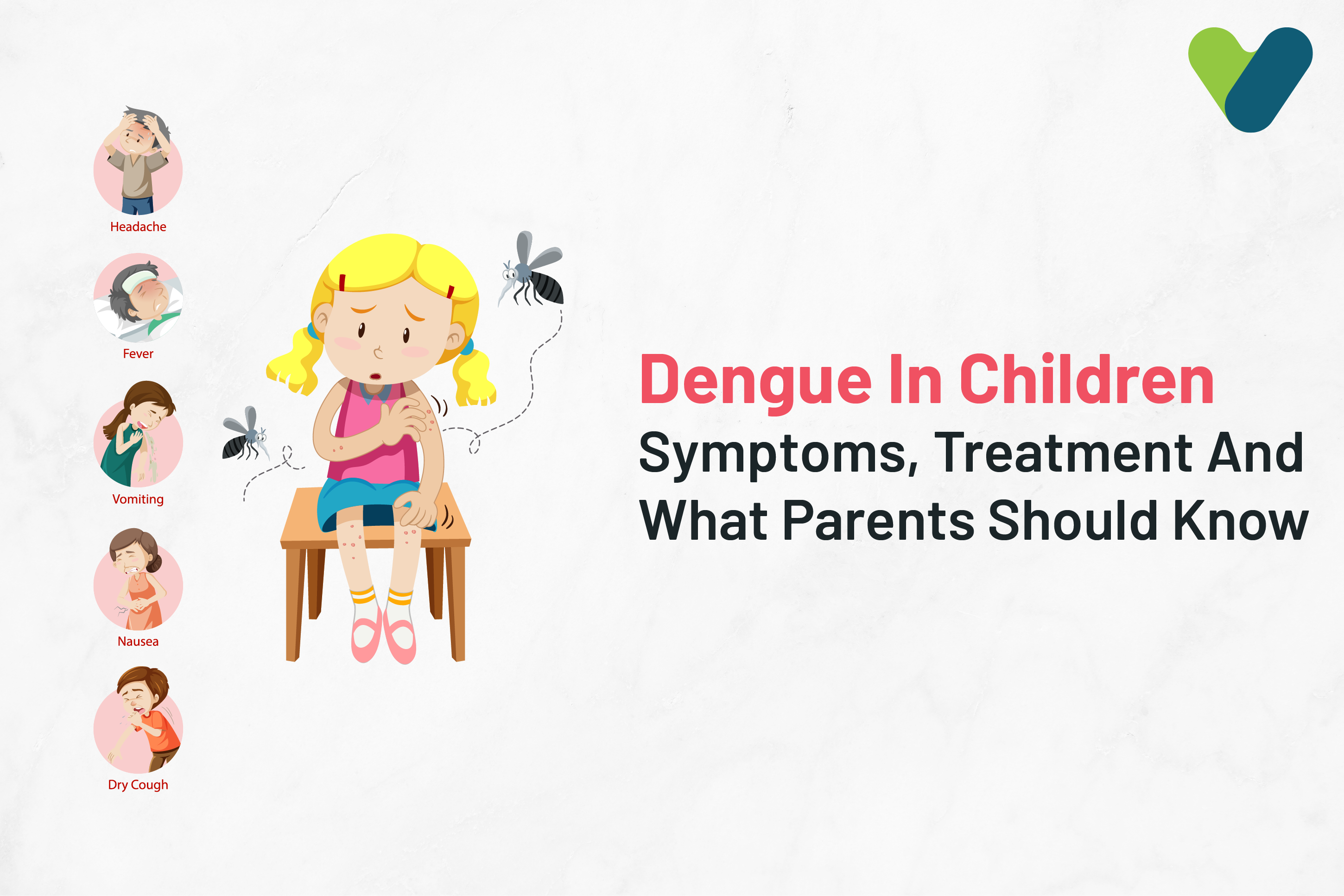
With monsoons approaching, dengue fever is becoming a growing health concern. This illness can affect people of all ages, especially children. Dengue in children is a serious health concern that requires closer attention. Dengue fever symptoms are not always apparent. Children also have difficulty expressing how they feel. A combination of these two factors can make early detection of dengue in children difficult.
Moreover, children’s immune systems are more susceptible to viral illnesses. Parents can benefit from understanding these illnesses. Equipped with information, parents can take preventive measures and avoid complications.
This blog explores the symptoms, causes, and preventative measures against dengue in children. Remember that understanding an illness is the first step towards early intervention.
What is Dengue Fever?
Dengue fever, also called break-bone fever, is a viral infection. It spreads through mosquito bites. Dengue is most prominent in tropical and subtropical regions. These regions provide a stable humid temperature, ideal for the virus to multiply and spread.Most patients of dengue don’t experience the symptoms right away. In fact, many don’t experience any symptoms at all. The typical initial symptoms are a high fever, headache, body aches, nausea, and more. Dengue fever symptoms mimic those of the flu. The recovery period for dengue fever is 1 to 2 weeks. In some cases, dengue fever can be severe, requiring hospitalization.
In other cases, dengue can also be fatal.
How Does Dengue Spread?
An infected female Aedes Aegypti mosquito typically carries the dengue virus. Dengue fever can spread rapidly. A mosquito feeds on an infected person, and the virus begins replicating in the mosquito’s gut. It then reaches its salivary glands. The time from virus ingestion to transmission to a new host takes about 8 to 12 days. The mosquito only needs to be infected once; it can carry the dengue virus for the rest of its life.A person infected with dengue can show symptoms of dengue right from the start or be asymptomatic. Even if a mosquito bites an asymptomatic person, it can become infected. The transmission of dengue fever from mosquito to human takes about 2 days. The patient is still considered infected for at least 2 days after the fever has resolved.
Dengue fever can be passed down from mother to child, depending on when she was infected during pregnancy. If the mother contracts dengue fever during pregnancy, there is an increased risk of complications, such as low birth weight, pre-term birth, and fetal distress.
In rare cases, dengue fever can also spread through blood transfusion.
Why Are Children At Higher Risk?
Children’s immune systems are still developing, which means they are susceptible to many illnesses, especially viral illnesses.Children spend a lot of time outdoors, engaging with other children, adults, and pets. When they play outside, a clean, pristine environment is not always guaranteed. They play in parks, within their home premises, on the street, etc. Mosquitoes are common outdoors, and there is little you can do to avoid them entirely. With a child's developing immune system, any infection can go from mild to severe quickly. This is why parents are so cautious about letting their children play outside, especially in the monsoons.
Dengue in children is more likely to turn severe than in adults. Children face a higher risk of reinfection. Their bodies are not naturally equipped to fight off a viral infection, especially one that is recurring. Unfortunately, this also means children have a higher mortality rate when it comes to dengue fever.
Children are also more susceptible to complications arising from severe dengue. In extreme cases, dengue fever complications include vascular leakage and shock. Vascular leakage refers to the leakage of fluid from blood vessels, which can lead to shock. In children, this leakage and shock could be more serious than in adults.
Types of dengue fever in children
Types of dengue fever in children range from mild to severe; the immune system reaction to the disease determines its severity. Here are the types of dengue fever in children:- Classic or Mild Dengue Fever
- Dengue Hemorrhagic Fever
- Dengue Shock Syndrome
Symptoms of Dengue in Children
Dengue fever symptoms in children vary depending on the stage of severity. While children are more susceptible to developing severe forms of dengue fever, it may not always be the case. Sometimes, children develop mild dengue and can recover within a week. Nevertheless, the risk of dengue fever in children is high, especially during the monsoons. Here are some symptoms you need to look out for going into the dengue fever season:- High fever: The fever occurrence may be sudden, and the body temperature may rise up to 104° F.
- Eye Pain: The patient may experience pain behind their eyes.
- Intense muscle and joint pain: Movement may become restricted due to intense muscle pain.
- Fatigue: Patients with dengue fever, particularly children, may feel weak or fatigued. The other symptoms of dengue fever can take a toll on the patient’s body, leading to exhaustion.
- Dehydration: Dengue fever can cause vomiting and diarrhea. Both of these symptoms can be dehydrating, leading to a significant loss in electrolytes.
- Abdominal Pain: Children are more likely to experience intense abdominal pain during dengue fever.
- Rash: Sometimes a measles-like rash appears on the dengue patients. It may become itchy over time or until recovery is completed.
- Nausea: Nausea, vomiting, diarrhea, and other digestive conditions are common in dengue fever.
Warning Signs of Severe Dengue
Warning signs of severe dengue fever include:- Intense abdominal pain
- Persistent Vomiting
- Bleeding gums
- Blood in stool
- Irregular pulse
- Intense fatigue
- Restlessness
- Cold or clammy skin
- Rapid breathing
- Mental confusion
What are the Risk Factors for Dengue Fever in Children?
Dengue is a fairly common disease that spreads through mosquito bites. There are several risk factors for dengue fever in children. They are as follows:- Outdoor exposure during peak dengue season
- Poor sanitation or pest control
- Weakened immune system
Stages of Dengue Fever in Children
Dengue fever in children can progress rapidly compared to adults because of their weak immune systems. These are the stages of dengue fever in children:- Febrile Stage
- Critical Stage
- Recovery Stage
When dengue fever becomes severe in children, the following additional stages may also occur:
- Intensive Care
- Psychological Effects
Diagnosis of Dengue Fever in Children
Dengue fever in children is diagnosed using a clinical evaluation, laboratory tests, and medical history analysis. Doctors first assess the symptoms of dengue; they check for fever, headaches, nausea, muscle pain, skin rashes, and bleeding. The doctors may ask the parents for a travel or exposure history to assess where the child may have contracted dengue fever. A clinical evaluation also lets doctors know whether the child has had dengue in the past.Lab tests include antigen testing, especially for NS1, or a PCR test. These tests are ideal for the early stages of dengue fever. Doctors will also conduct antibody tests to identify the stage and type of dengue fever. Additionally, blood tests will help determine platelet and WBC count.
In severe cases of dengue, organ monitoring tests are also conducted to ensure they are functioning properly.
Treatment and Home Care
The primary aim of a dengue treatment plan for children is to manage symptoms and prevent complications. Here is how dengue fever in children is treated at the hospital and at home:- Symptomatic Treatment
- Hospitalisation
How can Dengue Fever be prevented in Children?
Dengue fever has no specific preventive measure that guarantees no infection. A combination of preventive measures is the solution. Here is what you can do to prevent dengue fever in children:- You can’t stop children from playing outdoors, so lather them with mosquito repellent before they leave.
- Dress your children in protective clothing if you are spending long hours outdoors.
- Mosquito nets around their beds can protect them from dengue-causing mosquitoes while they sleep.
- Clean your home regularly, including the disposal system. Clean your drains and gutters, and avoid collecting water that could become stagnant and attract mosquitoes.
- Learn and educate yourself about dengue fever in children. Understanding the disease is just as important as its resolution.
Dengue Vaccine: Is it Safe for Children?
The dengue vaccine is relatively safe for children aged 9 to 16. The dengue vaccine is only recommended if the child has had a prior case of dengue infection or lives in an area where dengue is common.The dengue vaccine can protect your child from reinfection. If your child does end up contracting dengue, the vaccine can reduce its severity. The vaccine also lasts for six years. Parents are advised to continue practicing preventive measures even after the vaccine is administered.
When to seek a doctor
Mild dengue may not always show symptoms. However, severe dengue fever has some glaring symptoms that are hard to miss. Consult a general physician immediately if you start noticing symptoms of severe dengue fever, such as intense abdominal pain, persistent vomiting, blood in vomit or stool, gum bleeding, and intense fatigue.If these symptoms occur even after the initial fever has subsided, seek urgent medical help. Early intervention is key to ensuring the disease does not progress rapidly or cause complications.