
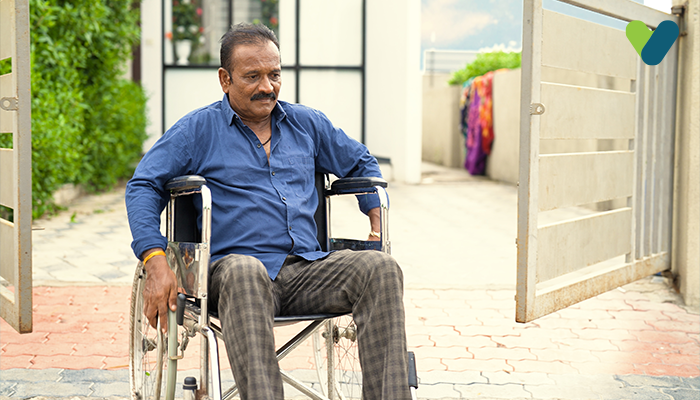
Paralysis occurs when there’s a loss of muscle function in part or all of the body. It can result from various causes, like stroke, spinal cord injury, traumatic brain injury, or neurological disorders. There are several types of paralysis depending on the affected area:
- Monoplegia: As the term “mono” suggests, this type of paralysis affects one limb; either it affects an arm or a leg.
- Hemiplegia: The term “hemi” means “half”; the condition affects one side of the body, either the left or right.
- Paraplegia: Paraplegia is the paralysis of both legs.
- Quadriplegia: This form of paralysis occurs when all four limbs, and in some cases, the torso, are affected.
It is important that you understand the cause and type of paralysis, as this is the first step in designing the right physiotherapy treatment for paralysis. Paralysis affects every aspect of movement. It affects balance, posture, muscle tone, and even mental well-being. Daily activities, such as eating, walking, dressing, or even smiling, can become challenging. That’s where physiotherapy for paralysis comes in. It helps retrain the muscles, improve coordination, and restore mobility using evidence-based techniques.
The Role of Physiotherapy in Paralysis Treatment
Physiotherapy is a vital part of rehabilitation after paralysis. It focuses on stimulating the affected muscles, improving blood circulation, and preventing complications like joint stiffness or muscle wasting.
Physiotherapy treatment for paralysis involves a combination of manual therapy, exercises, electrotherapy, and movement re-education. The physiotherapist designs a personalized program that matches the patient’s level of mobility and recovery goals. Regular sessions can significantly improve motor function and quality of life.
Benefits of Early Physiotherapy in Paralysis Rehabilitation
Early physiotherapy is important when it comes to paralysis. It can help enhance strength, mobility, and quality of life. Physiotherapy can prevent complications, restore your sense of independence, and support your overall well-being. Starting physiotherapy early after the onset of paralysis is key to improving recovery chances. Here are some important benefits:
a. Improved Mobility and Independence
Early physiotherapy treatment for paralysis helps retrain muscles and nerves, making it easier for patients to perform daily tasks such as walking, dressing, or eating. With guided exercises, assistive devices, and functional training, individuals gradually regain independence in their daily routines.
b. Preventing Secondary Complications
Without movement, paralyzed patients are at risk of bedsores, contractures, and circulation problems. Physiotherapists use regular mobility routines, massage therapy, and stretching exercises to prevent these secondary complications.
c. Muscle Strengthening and Coordination
Muscle weakness is common after paralysis. Physiotherapy exercises for paralysis patients focus on rebuilding strength and improving muscle coordination. Strength training, electrical stimulation, and resistance exercises all help restore muscle tone and control.
d. Enhancing Range of Motion
Joints can become stiff due to immobility. Physiotherapists guide patients through range-of-motion exercises that stretch and mobilize joints, ensuring flexibility and reducing pain.
e. Enhancing Respiratory Function
Paralysis, especially after spinal cord injury, can affect breathing muscles. Respiratory physiotherapy techniques, like deep breathing exercises and chest physiotherapy, help strengthen lung function and prevent infections.
f. Prevention of Muscle Atrophy
Muscle atrophy (wasting) occurs when muscles aren’t used for long periods. Regular sessions of physiotherapy treatment for paralysis keep muscles active through passive or assisted exercises, reducing the risk of atrophy.
g. Boosting Confidence and Mental Well-being
Rehabilitation can be physical and emotional. Seeing gradual improvement through physiotherapy motivates patients and restores hope, playing a vital role in emotional healing and mental health.
Types of Physiotherapy for Paralysis Patients
- Physiotherapy for Hand Paralysis: Loss of hand movement affects essential tasks like writing, eating, and grasping. Physiotherapy for hand paralysis focuses on finger stretching, grip-strength exercises, and fine motor training using resistance bands, therapy balls, or splints. Over time, these techniques help restore movement, reduce stiffness, and improve hand coordination.
- Physiotherapy for Facial Paralysis: Facial paralysis can occur due to Bell’s palsy or nerve injury. Physiotherapy for facial paralysis includes gentle facial exercises like eyebrow lifts, smiling practice, and cheek puffing. These exercises help strengthen facial muscles, improve symmetry, and restore natural expressions.
- Physiotherapy for Left Side Paralysis: Often caused by a stroke affecting the right hemisphere of the brain, physiotherapy for left side paralysis focuses on balance training, limb strengthening, and neuromuscular re-education. Mirror therapy and task-oriented exercises are also used to retrain the brain.
- Physiotherapy for Right Side Paralysis: Similarly, physiotherapy for right-sided paralysis targets the left brain’s damaged area. Therapists use repetitive motion training, constraint-induced movement therapy, and balance exercises to help patients regain strength and coordination on the affected side.
- Physiotherapy for Leg Paralysis: Leg paralysis can make walking or standing difficult. Physiotherapy for leg paralysis involves gait training, strengthening of hip and thigh muscles, and electrical stimulation therapy to improve circulation. Regular practice can help patients regain partial mobility and balance.
Common Physiotherapy Exercises for Paralysis Patients
While every physiotherapy program is tailored individually, some exercises are commonly used in paralysis rehabilitation. These include:
- Passive Range of Motion (PROM): Therapist-assisted movements that prevent stiffness and improve joint flexibility.
- Active-Assisted Exercises: The patient participates with the therapist’s support to encourage muscle activation.
- Stretching Exercises: Maintain muscle length and prevent contractures.
- Strengthening Exercises: Focused on the unaffected and recovering muscles using light resistance bands or weights.
- Balance and Coordination Drills: Help regain postural stability and prevent falls.
- Mirror Therapy: Uses visual feedback to stimulate the brain-muscle connection.
- Functional Electrical Stimulation (FES): Delivers mild electrical currents to stimulate paralyzed muscles.
- Gait Training: For those with leg paralysis, to re-establish walking ability.
- Breathing Exercises: Improve lung capacity and oxygenation.
Consistency and gradual progression are key; each small milestone builds toward long-term recovery.
How Physiotherapy Helps in Regaining Movement and Independence
- Physiotherapy plays a vital role in helping paralysis patients regain movement and independence by stimulating nerve and muscle activity through targeted exercises and rehabilitation techniques.
- When a person experiences paralysis, the connection between the brain and muscles is disrupted.
- Physiotherapists use scientifically designed programs to retrain this connection, encouraging the body to relearn lost movements.
- Techniques such as passive and active-assisted exercises, functional electrical stimulation, and task-specific training help activate paralyzed muscles and improve control.
- Over time, these physiotherapy exercises for paralysis patients enhance muscle strength, flexibility, and coordination, allowing individuals to perform daily activities like walking, dressing, or feeding themselves with greater ease.
- Physiotherapists also focus on improving balance and posture to promote safer mobility and reduce the risk of falls.
- Assistive devices such as braces, walkers, or mobility aids may be introduced to support independence during recovery.
- Equally important, physiotherapy addresses the psychological impact of paralysis. As patients begin to see progress, even small improvements, their confidence and motivation increase significantly.
- Through consistent therapy and encouragement, physiotherapy empowers individuals to reclaim control over their lives and live more independently despite physical challenges.
When to Start Physiotherapy After Paralysis
Starting physiotherapy as early as possible is vital for recovery. Most doctors recommend initiating physiotherapy treatment for paralysis soon after the patient is medically stable, often within days or weeks of the event.
Early rehabilitation helps prevent complications like joint stiffness, muscle wasting, and bedsores. However, the intensity and duration of therapy depend on the type and severity of paralysis, the patient’s age, and the underlying medical conditions. Always follow your neurologist’s or physiotherapist’s advice for the best outcomes.
Combining Physiotherapy with Other Treatments
Physiotherapy works best as part of a multidisciplinary approach to rehabilitation. This holistic approach pairs physiotherapy with a range of other treatments and professional expertise. This can help improve your chances of recovery of your functions, and improve your overall quality of life. Depending on the cause and type of paralysis, other complementary treatments may include:
- Occupational therapy: For daily task training and adaptive equipment use. This form of therapy aims to help you regain function in daily aspects of your life. Movements or tasks like dressing, bathing, and cooking are the daily functions that occupational therapy will help you achieve. Occupational therapy also guides you through home modification to support your recovery and restore independence.
- Speech therapy: For facial or communication difficulties. For those with facial paralysis or difficulty speaking or swallowing, which is common after a stroke, speech therapists provide targeted exercises and techniques to rebuild communication and swallowing ability.
- Medication: Helps manage pain, spasticity, or inflammation. Physiotherapy is often combined with medications, typically prescribed by physicians, to manage underlying conditions. For instance, after a stroke, physicians generally prescribe a blood thinner. Medications, along with physiotherapy, can also help you address specific symptoms of paralysis, such as pain or spasticity. Oftentimes, the physiotherapy exercises for paralysis patients are timed with the medications’ peak effectiveness.
- Psychological counseling: For mental and emotional support. Paralysis affects the mind and body. It can be a tough condition to cope with, requiring certain emotional and psychological adjustments. Psychological support as part of your paralysis treatment plan can help you manage anxiety, depression, and motivation related to your health. A positive mindset can support the progress of recovery.
- Surgical interventions: Some cases may need surgery for joint or nerve repair. This surgery can happen before or during the rehabilitation period.
- Assistive Devices: Advanced technology, such as robot-assisted therapy, is sometimes used in combination with conventional physiotherapy to support movement, improve coordination, and enhance body balance. Similarly, mobility aids and other orthotics, such as canes, walkers, or wheelchairs, can provide support, improve stability, and promote independence as the patient progresses through their recovery.
Together, these interventions create a comprehensive approach that addresses all aspects of paralysis recovery, which are physical, emotional, and functional. When all aspects of paralysis recovery are considered, you can be assured that the patient shows more progress and better results.
Key Takeaways
- Physiotherapy treatment for paralysis is essential for recovery, promoting movement and independence.
- Early physiotherapy helps prevent complications like stiffness, pressure sores, and muscle atrophy.
- Physiotherapy exercises for paralysis patients include strength training, stretching, and balance drills.
- Specialized therapies target specific areas like physiotherapy for hand paralysis, facial paralysis, left or right side paralysis, and leg paralysis.
- Regular sessions under professional supervision improve mobility, coordination, and confidence.
- Combining physiotherapy with other treatments enhances overall recovery outcomes.