
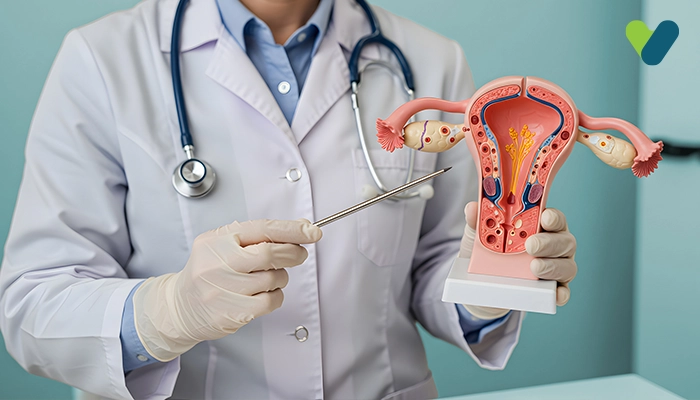
What is polymenorrhea?
Polymenorrhea definition in the medical sphere states that it is a condition where the menstrual cycle lasts less than 21 days. A regular menstrual cycle lasts between 28 to 35 days, with each menstruation phase lasting for up to 7 days. The frequency and duration can vary from person to person. A person with polymenorrhea experiences frequent menses within a short span.
So, what does polymenorrhea look like exactly? Let’s take, for instance, that your period starts on the 1st of the month. If you have polymenorrhea, this period will be back before the 22nd of the month. Occasional shot cycles are within the range of what the medical world considers a normal menstrual cycle. However, when these short cycles happen frequently, that is when it indicates an underlying problem; either this problem lies with the hormones or the reproductive organs.
Polymenorrhea is not the same as having a heavy flow or bleeding for a longer duration; these are signs of another condition called polymenorrhagia. Understanding polymenorrhea vs polymenorrhagia is important, so you can make informed decisions about your health and receive treatment when needed.
Polymenorrhea and Pregnancy
Since polymenorrhea is a menstrual disorder, it will affect your reproductive health. In those with polymenorrhea, the condition impacts fertility and conception. The extent to which it impacts one’s reproductive health varies from person to person. Frequent menses often mean ovulation happens earlier or irregularly, which means it reduces the chances of successful conception.
The uterine lining has to thicken for successful conception. If the intervals between periods are short, the uterus does not have enough time to thicken its lining. Without a thickened uterine lining, the fertilized egg cannot be supported. In such cases, polymenorrhea causes can include hormonal imbalances, thyroid disorders, or even stress. All of these factors interfere with ovulation.
Not everyone who has polymenorrhea faces fertility issues, but it is a glaring concern for many patients. Some people ovulate regularly despite the shorter cycles. Receiving a proper polymenorrhea diagnosis can help determine whether ovulation is occurring normally.
If you are trying to get pregnant and are noticing frequent menses, consult a doctor who can perform hormonal tests and recommend a suitable treatment for polymenorrhea, helping you improve your reproductive health.
What are the signs and symptoms of polymenorrhea?
One of the most obvious signs and symptoms of polymenorrhea is frequent menses or other menstrual irregularities. Frequent menses can also be caused by underlying polymenorrhea causes, like other health conditions. First, let’s take a look at some of the symptoms.
- Frequent menses (periods occur every two to three weeks
- Lighter or heavier blood flow than normal
- Fatigue
- Cramps or pelvic discomfort
- Mood swings caused by hormonal imbalance
When you understand the polymenorrhea definition and how to track your cycle, managing the condition can be easier. You can use a period-tracking app to keep a note of your cycle length and menstrual symptoms, such as cramps, blood flow, discharge, and more. A tracking system can also be helpful if you plan to become pregnant.
Understanding polymenorrhea vs polymenorrhagia can also help distinguish some of the symptoms, so you can get suitable treatment of polymenorrhea. Polymenorrhea can have normal levels of bleeding despite frequent menses.
What are the causes of polymenorrhea?
There are several polymenorrhea causes; it can arise from multiple underlying conditions. When you know and understand the underlying polymenorrhea causes, you can receive effective treatment. Let’s take a closer look at some of the causes of polymenorrhea.
This is probably one of the most common polymenorrhea causes. Hormonal fluctuations in estrogen and progesterone can disrupt ovulation. This causes the menstrual cycles to shorten and leads to frequent menses.
- Thyroid disorders
The thyroid gland can cause hormonal fluctuations, affected by the different thyroid disorders. Both hypothyroidism and hyperthyroidism affect hormones in your body. Hypothyroidism is often linked with frequent menses.
The transition from your regular periods to menopause is called perimenopause. During this stage, there are many hormonal changes in your body as it prepares for menopause. These fluctuations lead to irregular bleeding patterns, which often means frequent menses.
- Stress & Lifestyle
Stress and lifestyle habits are often one of the causes for various health conditions. Polymenorrhea is one such condition where stress and unhealthy lifestyle habits are important factors. Chronic stress, sudden and significant weight changes, excessive exercise, and more can alter hormonal balance.
This condition refers to infections in the reproductive organs, which can lead to further inflammation and cycle irregularities.
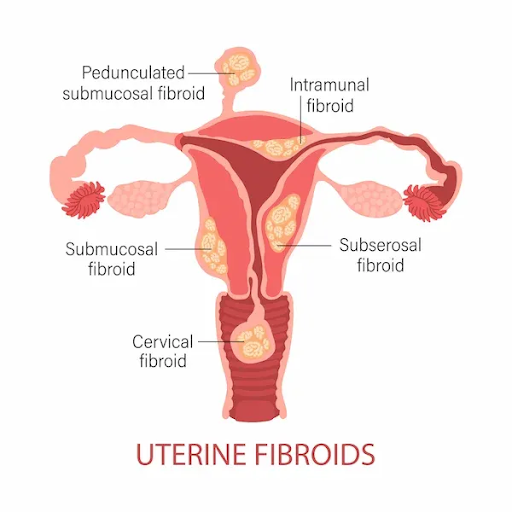
- Uterine fibroids or Polyps
Uterine fibroids or polyps are growths that form in or on the uterus. They cause irregular bleeding patterns, pelvic pain, and hormonal imbalance. They can cause frequent menses and heavy bleeding.
- Hormonal Contraceptives
Birth control pills, implants, IUDs, etc., can sometimes shorten cycles. These introduce synthetic hormones to your body, so while your body adjusts, your cycle can become irregular. This opens up the potential of developing polymenorrhea.
Finding the right polymenorrhea causes through medical evaluation can help guide effective treatment of polymenorrhea, tailored in a way that fits your specific needs.
How to diagnose polymenorrhea?
A polymenorrhea diagnosis starts with a detailed menstrual history. Your doctor will ask you questions about your cycle length, blood flow, and period symptoms. Tracking your cycle on an app or keeping a menstrual diary can be helpful during this process.
Next, your doctor will perform a few exams to confirm the diagnosis and rule out other conditions. There are:
- Physical exams: Here, your doctor will check for any possible pelvic issues and signs of hormonal imbalance.
- Hormone tests: Here, your doctor will measure estrogen, progesterone, and prolactin levels. They will even test your thyroid.
- Pelvic ultrasounds: This test helps detect conditions like fibroids, cysts, or polyps.
- Pap Smear or Endometrial Biopsy: These tests help to get a closer look at the uterine lining. They detect possible infections or precancerous changes.
The ultimate aim of a polymenorrhea diagnosis is to understand whether your polymenorrhea is caused by hormonal issues, structural abnormalities, or lifestyle habits. This will help narrow down your treatment of polymenorrhea approach, making it more effective.
What are the treatments available for polymenorrhea?
The underlying polymenorrhea determines the treatment of polymenorrhea. Once your doctor identifies the underlying issues, you can begin managing your condition. This involves medication, lifestyle adjustments, and procedural interventions when needed.
Let’s take a look at some treatment of polymenorrhea approaches.
- Hormonal therapy: Birth control pills or hormonal IUDs can regulate or stabilize your cycle, reducing frequent menses. This is helpful if a hormonal imbalance is one of the underlying polymenorrhea causes.
- Addressing underlying conditions: Treating underlying conditions can significantly reduce polymenorrhea symptoms. Conditions like thyroid disorders, infections, or fibroids require targeted treatment. Treating them can restore normal menstrual cycle patterns.
- Lifestyle changes: If you are leading a stressful or unhealthy lifestyle, it can impact your menstrual cycle. Learning stress management, maintaining a healthy diet, getting adequate sleep, and exercising regularly can naturally restore hormonal balance and help manage polymenorrhea symptoms.
- Medications: Supplements like iron can help with symptoms of frequent menses, such as anemia or fatigue. Supplements can help replenish what is lost during your periods, preventing further complications.
- Surgical options: If you develop fibroids, cysts, or polyps, your doctor may prescribe surgical removal as part of the treatment of polymenorrhea plan.
Avoid self-medicating and follow your doctor’s treatment plan accurately, as these plans are tailored to fit your needs. A comprehensive polymenorrhea diagnosis can help make sure that treatments are addressing your symptoms and causes effectively.
What are the Complications of Polymenorrhea?
If polymenorrhea is left untreated, it can lead to several complications of both your physical and psychological health.

- Anemia: Frequent menses can cause chronic blood loss, leading to an iron deficiency and fatigue.
- Fertility issues: Hormonal imbalances associated with polymenorrhea may affect ovulation and make conception more difficult.
- Emotional Distress: frequent menses can cause anxiety, frustration, and an overall poorer quality of life. Hormonal imbalances can also lead to mood swings.
- Risk of misdiagnosis: If your polymenorrhea symptoms are not evaluated correctly, it can lead to a misdiagnosis. The polymenorrhea vs polymenorrhagia difference is essential to understand, so you can seek the right treatment at the right time.
- Underlying health issues: If you ignore the underlying polymenorrhea causes, it can lead to a delay in diagnosing hormonal conditions like PCOS, thyroid disease, or endometrial abnormalities.
On-time polymenorrhea diagnosis and proactive treatment of polymenorrhea will help prevent these complications, improving your physical and psychological health.
When to see a doctor
You should see a doctor when:
- Your period cycle is infrequent, typically less than 21 days
- You are experiencing frequent menses, which is accompanied by fatigue, dizziness, or heavy bleeding
- You are trying to get pregnant, but you are struggling (irregular cycles can cause fertility issues)
- You suspect hormonal imbalances or thyroid issues
A timely polymenorrhea diagnosis will help confirm the root cause of your condition. This means you receive the treatment of polymenorrhea on time, before complications arise.
Don’t ignore frequent menstrual cycles, talk to a gynaecologist online for the right diagnosis and treatment plan to restore your menstrual health.
Key Takeaways
- Polymenorrhea definition: A period cycle that lasts less than 21 days, causing frequent menses
- Polymenorrhea causes: Hormonal imbalances, thyroid disorders, stress and unhealthy lifestyle, or uterine conditions
- Polymenorrhea vs polymenorrhagia: The former causes frequent menses, while the latter causes prolonged periods.
- Polymenorrhea diagnosis: Involves physical exams, hormone testing, and imaging studies
- Treatment of polymenorrhea: It depends on the underlying cause and includes hormonal therapy, lifestyle changes, and addressing the underlying health condition.
- Medical attention: Early polymenorrhea diagnosis and the right treatment of polymenorrhea help prevent complications like anemia and fertility issues.