
What is hemiplegia?
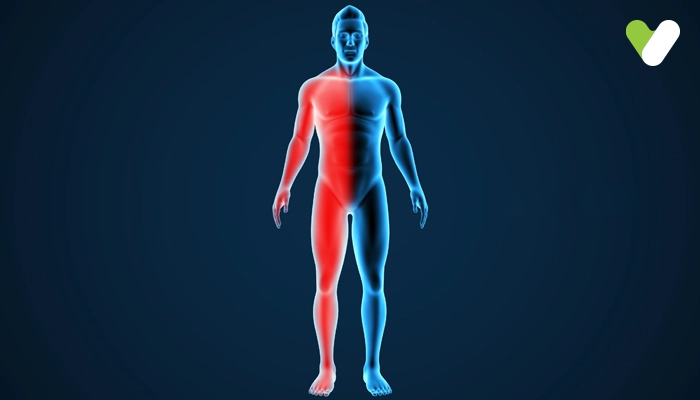
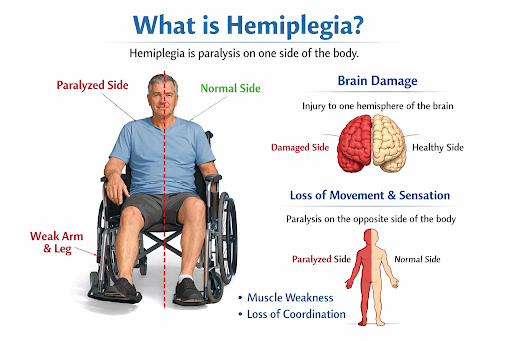
“Hemi” in hemiplegia means “half”, while “plegia” means “paralysis” or “stroke.” Hemiplegia refers to a condition where one side, either the left or the right, becomes paralyzed. Hemiplegia occurs as a result of a spinal cord or brain injury. This condition can be permanent or temporary, depending on the underlying cause. The side where hemiplegia occurs also determines its name: Left Hemiplegia or Right Hemiplegia.
There is significant damage to the cerebral hemisphere when hemiplegia occurs. Typically, the damage is localized in the hemisphere that is located opposite the affected side. So, left-sided brain damage would lead to right-sided hemiplegia and vice versa.
Congenital hemiplegia, also known as hemiplegic cerebral palsy, appears soon after birth, within the first two years of a person’s life. In some cases, albeit less frequently, hemiplegia symptoms appear in conditions such as brain stem lesions, peripheral nervous system disorders, cervical spinal cord injury, and more. If you inherited the condition, it may manifest later in life due to an injury or other health conditions.
Types of Hemiplegia
There are several types of hemiplegia. Let’s take a look at these types of hemiplegia, so you can understand the condition better and seek hemiplegia treatment on time.
- Facial Hemiplegia: This type of hemiplegia refers to when the facial muscles become paralyzed on one side. Facial hemiplegia is often accompanied by hemiplegia somewhere else in the body. Facial hemiplegia leads to a drooping effect on the affected side. The seventh cranial nerve is responsible for facial movement control. Facial hemiplegia is often seen in stroke patients and those with Bell’s palsy.
- Spastic Hemiplegia: Spastic hemiplegia is one of the types of hemiplegia that affects the limbs of one side primarily. It causes muscle stiffness, weakness, involuntary and uncontrolled contractions of the muscles, and difficulty in executing motor skills, like walking. This is one of the types of hemiplegia that is connected to cerebral palsy. Brain injuries, infections, and other conditions can also cause spastic hemiplegia.
- Spinal Hemiplegia: This is one of the types of hemiplegia where the damage occurs on one side of the spinal cord, resulting in hemiplegia on the affected side. Spinal damage can cause either ipsilateral hemiplegia (same side of the damage) or contralateral hemiplegia (opposite side of the damage). Spinal injury in spinal hemiplegia means you lose temperature, pain, and touch sensation, and motor skills below the site of damage.
- Alternating Hemiplegia of Childhood: Alternating hemiplegia of childhood affects those below the age of 18 months. This is one of the types of hemiplegia that causes recurring episodes of hemiplegia, affecting either side or both sides of the body.
What are the most common causes of hemiplegia?
The primary causes of hemiplegia include strokes, aneurysms, and cerebral hemorrhages. Let’s take a closer look at the causes of hemiplegia.
- Stroke: A stroke is one of the common causes of hemiplegia. The severity of the stroke and its location also determine the severity of hemiplegia. A stroke damages the part of the brain that controls voluntary movement, leading to the paralysis of one side. A stroke is essentially a disruption in the blood flow to the brain. This can be caused by a blockage in the blood vessels or a rupture. When a blockage causes a disruption in the blood vessels, it is called an ischemic stroke. When the disruption is from a rupture, it is called a hemorrhagic stroke. The stroke typically occurs on the opposite side of the affected side. So, if the stroke is in the left side of the brain, the paralysis may occur on the right side.
- Brain tumors: Tumors may or may not be malignant, but they are intrusive. They often grow and press on parts of the organ(s), leading to damage. A brain tumor, after growing, presses on the part of the brain that controls movement. That is how a brain tumor leads to hemiplegia. The mass of the tumor causes disruptions in the motor cortex's functioning. Tumors can also indirectly affect movement by causing swelling or bleeding, affecting the nearby brain tissue.
- Traumatic Brain Injury: A traumatic brain injury occurs when there is an external impact on the head, which causes the brain to lose control over the motor functions. The impact disrupts the nerve signals that control movement. This means that the communication between your brain and your muscles gets temporarily or permanently damaged. The brain is unable to send the correct signals to different muscles across the body. Most brain injuries are localized to one hemisphere, leading to hemiplegia.
- Infections: Infection can often lead to other complications. For instance, an infection can trigger a stroke, thereby damaging parts of the brain. This is the most common way an infection leads to hemiplegia. This infection does not have to occur solely in the brain. An infection in the heart valves, urinary tract, or any other part of the body can trigger inflammatory responses throughout the body. If the infection turns into sepsis, the blood clot carrying the septic emboli can travel to the brain, causing a stroke. Meningitis is a common infectious condition that can lead to stroke. In meningitis, the membrane around the brain and spinal cord becomes inflamed and infected. This inflammation spreads to the nearby blood vessels, which carry the infected clots to the brain or cause blockages in the blood flow. Tuberculous meningitis often affects the blood vessels at the base of the brain. Infection of the brain tissue can be a direct cause of hemiplegia.
- Genetics: Specific genetic disorders lead to hemiplegia, especially during childhood. Alternating Hemiplegia of Childhood or Familial Hemiplegic Migraine are caused by genetic mutations. These mutations can disrupt the function of the nerve cells in the brain. Hemiplegia, in such cases, may occur as transient or as part of a broader neurological condition. Genetic anomalies as those mentioned above, can significantly increase your risk of developing hemiplegia.
What are the signs & symptoms of hemiplegia?
Hemiplegia is characterized by several symptoms, such as:
- Weakness or stiffness of the muscles on the affected side (typically the left or right side)
- Spasticity of the muscles or permanent contraction of the muscles
- Poor motor skills or a complete lack of motor function
- Difficult walking
- Poor balance
- Difficult grabbing objects
The symptoms also depend on the severity of any underlying condition that caused the hemiplegia. One of the significant symptoms in children with hemiplegia is delayed developmental milestones as compared to their peers. The child may also rely on one hand for grabbing, playing, or supporting themselves. They may keep one hand fisted or unmoving.
Hemiplegia caused by brain injuries can cause additional symptoms, such as memory problems, difficulty concentrating, speech impairment, noticeable changes in behavior, or seizures.
How is hemiplegia treated?
Treatment of hemiplegia can depend on the underlying cause or the severity of the symptoms. Doctors often take a multidisciplinary approach to hemiplegia treatment.
First, doctors will look at your medical history, conduct blood tests, take CT scans of the brain, and conduct other tests to evaluate your overall nerve and muscle function. These tests help narrow down the underlying cause of your hemiplegia. Once the cause is detected and the diagnosis is confirmed, the treatment begins.
When you understand hemiplegia's meaning, you can make informed decisions when it comes to your medical care. If you can recognize early signs, you can seek treatment early. As discussed earlier, there are different types of hemiplegia, each requiring specialized care. Hemiplegia treatment is holistic, involving a combination of treatment options.
Physiotherapy
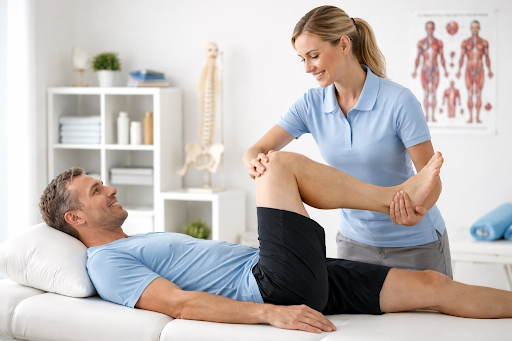
Given that hemiplegia is partial or total paralysis of one side of the body, the patient will require physiotherapy. Physiotherapy can help restore partial or total muscle function, improve balance, build strength, and coordinate movement.
Assisted Devices
Assisted devices, such as canes, wheelchairs, walkers, and more, can aid in rehabilitation. It can improve muscle control and mobility. Assisted devices can also greatly impact the quality of life while you undergo treatment and recovery. Consult your doctor to find out which medical-assisted devices are most beneficial to you. You can also do modifications to your home to assist your mobility while you recover. For instance, you can use raised toilet seats or attach grab bars, especially in rooms where you can slip easily, like the bathroom. You can also install ramps for ease of movement in a wheelchair.
Electrical Stimulation Therapy
In this form of treatment for hemiplegia, the patient’s muscles are stimulated using electrical pads. The electricity makes the muscles contract, even the ones you can’t move. The aim of this form of treatment is to improve balance in the affected side and improve brain plasticity.
Modified Constraint-Induced Movement Therapy
In this form of treatment for hemiplegia, the unaffected side is restrained, which forces the body to use the affected side. It can slowly improve muscle control and mobility. One study found that this form of hemiplegia treatment may be quite effective in treating stroke patients.
Mental Imagery
Imagination can have a significant impact on recovery & treatment. Some studies claim that imagining movement in the paralyzed part of the body can help awaken the parts of your brain that are responsible for movement. When combined with physical therapy, mental imagery might be an effective form of treatment.
How can hemiplegia be prevented?
Hemiplegia cannot be entirely prevented in every case, but you can try to significantly reduce the risk of developing hemiplegia by following preventative measures for its underlying causes. For instance, you can prevent stroke by maintaining a healthy diet, exercising regularly, and taking appropriate care for chronic health conditions like high blood pressure or diabetes. You can protect yourself from causes of hemiplegia, like brain or spine injury, by wearing helmets and seatbelts when you travel. You can also avoid smoking and limit alcohol use to further prevent or reduce the risk of developing hemiplegia.
Are rehabilitation and exercise useful to treat hemiplegia?
Rehabilitation and exercise are a significant part of hemiplegia treatment. Regular exercise and rehabilitation therapies can help restore motor function, muscle control, balanced gait, and coordinated movement. It can help promote blood circulation and improve the quality of life. As you regain control over your muscles, you will also build confidence and learn to effectively manage your hemiplegia symptoms.
When should I see a doctor or healthcare provider?
Any of the hemiplegia symptoms is enough reason for you to consult a doctor. The exceptional case here would be if you already know the underlying cause of your hemiplegia. If you have a condition where hemiplegia is a symptom, you may already be seeking treatment and rehabilitation. Attending regular consultations with your doctor can ensure you are following the treatment plan accurately and your doctor is able to monitor your recovery.
Consult a neurologist online if you experience any hemiplegia symptoms. Early medical attention can help identify the cause and improve your recovery outcomes.
Key Takeaways
- Hemiplegia is a condition where one side of the body becomes partially or totally paralyzed.
- It is often caused by underlying health conditions, brain or spinal injuries, congenital conditions, etc.
- Early diagnosis is key to early treatment, thereby significantly improving your recovery chances.
- Infantile hemiplegia occurs in children, often caused by complications in the pregnancy or brain injury.
- Hemiplegia management and treatment include physiotherapy, medications, and mental health support.
- You can follow a healthy lifestyle to reduce your risk of developing hemiplegia.
- Consistency in treatment and support from loved ones can improve your quality of life and regain your sense of independence.