

What is oligomenorrhea?
The average menstrual cycle lasts between 25 to 35 days. This range is considered to be within the normal range for a menstrual cycle. Not every month looks the same; in some months, the cycle may vary by a few days. A menstrual cycle should generally be within this range each month. Staying within this normal range indicates that the individual is getting their periods regularly and without any abnormalities.
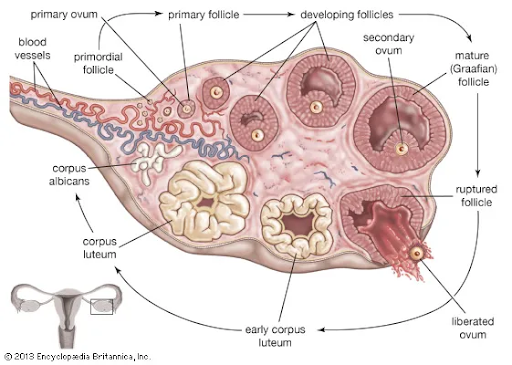
Sometimes, that is not the case. Oligomenorrhea refers to a condition where the menstrual cycle is abnormal and periods are infrequent. This means that an individual may not get their period for longer than 35 days. They may have only 4 to 9 periods in a year, whereas a healthy cycle would result in 11 to 13 cycles in a year. A single missed period that is not caused by a pregnancy, birth control, or menopause is relatively common, but if you are missing your period regularly, it is time to consult a doctor. Oligomenorrhea causes periods to be abnormally irregular and unpredictable. If you have oligomenorrhea, you may not experience a period every month; instead, you may have one every few months.
What is the difference between oligomenorrhea and amenorrhea?
Oligomenorrhea and amenorrhea are types of abnormal menstruation. Oligomenorrhea is when you have infrequent periods, whereas amenorrhea is when you have absent periods.
In Amenorrhea, periods may fail to commence at puberty despite the development of secondary sexual characteristics, such as pubic hair and breast development. The failure to commence periods can also be noted in girls aged 14 and above, in the absence of secondary sexual characteristics. Another cause of amenorrhea is a cessation of periods for more than six months after they begin at puberty.
In Oligomenorrhea, there may be intervals of 35 days or longer between periods, resulting in about 9 periods per year on average.
How common is oligomenorrhea in India?
Oligomenorrhea is a relatively common menstrual condition among women in India. One study suggests that Oligomenorrhea makes up about 61% of the menstrual disorders in adolescent girls. Another study claims that around 12% to 15% of women and girls who menstruate experience Oligomenorrhea at some point in their lives. Roughly 20% of women with fertility issues have Oligomenorrhea. Oftentimes, this condition occurs in those experiencing polycystic ovary syndrome. Infrequent periods are a common symptom of PCOS.
What are the signs and symptoms of oligomenorrhea?
One of the most common signs and symptoms of oligomenorrhea includes delayed or missed periods; oligomenorrhea is an infrequent menstruation condition. Periods under oligomenorrhea become unpredictable. Oligomenorrhea symptoms also include the following:
- Acne
- Headaches
- Hot flashes
- Abdominal pain
- Vaginal discharge
- Impaired vision
- Excess facial and body hair
These Oligomenorrhea symptoms are caused by hormonal imbalance. Androgens like testosterone are produced in excess, leading to acne and excess hair growth. A drop in estrogen can trigger migraines and hot flashes. Vaginal discharge can sometimes indicate an underlying condition. For instance, when the discharge changes color and is accompanied by a foul smell and itching, it could indicate an infection. Vision impairment is not a direct symptom of Oligomenorrhea; rather, it is a symptom of several health conditions that underlie oligomenorrhea.
What causes oligomenorrhea?
Oligomenorrhea causes encompass a wide range of disorders. Oligomenorrhea is often a symptom of another underlying condition. For instance, PCOS is often one of the underlying conditions for Oligomenorrhea. Oligomenorrhea causes are complex, so it is essential to understand them carefully in order to begin treatment for Oligomenorrhea. Let’s take a look at some of the causes of Oligomenorrhea causes.
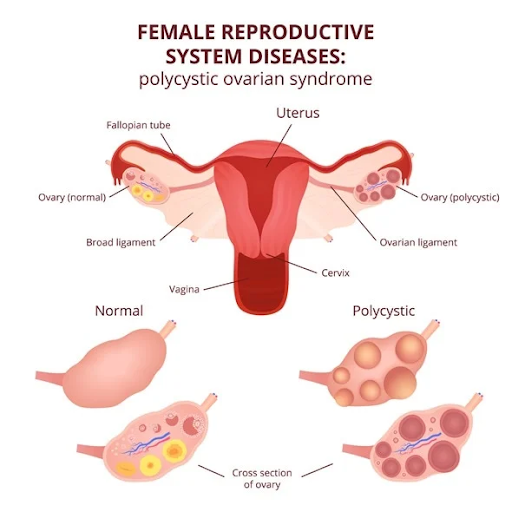
- Polycystic Ovary Syndrome: Polycystic Ovary Syndrome (PCOS) is a menstrual disorder characterized by elevated androgen levels. These elevated levels disrupt ovulation and lead to infrequent periods (Oligomenorrhea).
- Thyroid Disorders: An overactive and an underactive thyroid can lead to Oligomenorrhea. Healthy thyroid function is responsible for the proper functioning of the hypothalamic-pituitary-ovarian axis. When thyroid disorders occur, this axis is disrupted. This axis is important for regulating reproductive hormones. As a result, infrequent periods become a symptom of thyroid disorders.
- Diabetes: Oligomenorrhea causes include diabetes, both Type 1 and Type 2. It is most commonly seen in underweight individuals with Type 1 diabetes and overweight individuals with Type 2 diabetes.
- Cushing’s Syndrome: In Cushing’s Syndrome, your body produces excess cortisol, leading to a serious hormonal imbalance, which ultimately affects your menstrual cycle.
- Tumors: Sometimes, Oligomenorrhea causes include tumors that form in the androgen-secreting glands. For instance, a tumor on your ovary or adrenal glands can cause a release of excess androgens, disrupting your menstrual cycle. These tumors often mimic PCOS symptoms.
- Prolactinoma: Prolactinoma, another oligomenorrhea that includes a tumor, is a tumor that grows on the pituitary gland. This leads to excess production of prolactin and less production of estrogen, leading to disrupted menstruation.
Some other Oligomenorrhea causes include infections, stress, excessive exercise, poor nutrition, medications, birth control, and more.
How is oligomenorrhea diagnosed?
Oligomenorrhea diagnosis is done in the following way:
Medical History
- First, your doctor will check your medical history. They will ask you detailed questions about your normal menstrual cycle. They are checking for the number of days between two periods. They also need information on the flow of blood during menstruation (heavy, moderate, light). This will help evaluate the severity of your condition.
- Next, they will check your family’s medical history. Since oligomenorrhea causes and oligomenorrhea symptoms are tied to underlying conditions, any hereditary condition can be passed down to you, increasing your likelihood of having oligomenorrhea.
- They will also check your lifestyle habits, like diet and exercise, and check to see if you are already on medications. Oligomenorrhea causes include certain medications.
Exams
- Physical: Your doctor will conduct a physical examination of your face, neck, breasts, and abdomen. All of these body parts carry signs and symptoms of conditions that underlie oligomenorrhea.
- Rectovaginal exam: Your doctor will insert a gloved finger in your vagina and one in your rectum to feel for an abnormal mass.
- Vaginal exam with a speculum: This includes an instrument called the speculum that is inserted into your vagina to check the walls and the cervix for signs of bleeding, inflammation, or scar tissue. They may also take a cervical swab to test for infection.
- Abdominal exam: Your doctor will feel your abdomen area for masses or tender spots.
- CT Scans: to detect masses that may cause bleeding
- Pelvic and abdominal ultrasound: to check for signs of inflammation and PCOS.
- MRI: To confirm tumors, especially to confirm a prolactinoma diagnosis.
Tests
- TSH test: This test looks at the hormone levels secreted by the thyroid. It is to rule out thyroid disorders.
- FSH test: This test helps identify primary ovarian insufficiency.
- LH test: This tests for LH levels in relation to the FSH test. Primarily helps to diagnose PCOS.
- Prolactin test: To determine prolactin levels.
- Blood sugar test: To rule out Type 1 and Type 2 diabetes
How is oligomenorrhea treated?
Oligomenorrhea treatment depends on the underlying oligomenorrhea causes. There are certain treatment options, such as hormone therapy and medications, that may be prescribed as oligomenorrhea treatment. Along with medical treatment, you can benefit from lifestyle changes, such as moderate exercise, a healthy & nutritious diet, and adequate sleep.
In some cases, surgery may be part of the oligomenorrhea treatment options. Birth control pills are often used to regulate menstrual cycles. Conditions like PCOS or thyroid problems require adequate medical treatment with medications.
What can I expect if I have oligomenorrhea?
If you have oligomenorrhea, you will likely experience infrequent periods. You may experience some oligomenorrhea symptoms, such as weight gain, acne, and mood swings, along with irregular periods.
You should learn about the condition as much as possible. This condition can increase the risk of other conditions, like endometrial cancer, Type 1 or Type 2 diabetes, osteoporosis, and more. You may also experience fertility issues. When you learn about the condition, you can seek diagnosis and treatment earlier. Your doctor will help you understand the severity of your condition and prescribe a treatment plan that addresses your specific needs.
When to see your doctor
You should see your doctor under the following circumstances:
- Your menstrual cycles are more than 35 days apart, especially if the change has occurred unexpectedly.
- If you miss your period for three months or longer.
- If you are experiencing significant weight loss or weight gain, unexpectedly.
- If you are experiencing excess hair growth, particularly on your face or body.
- If you are having trouble conceiving.
- If your periods are accompanied by debilitating menstrual cramps.
Consult a gynaecologist online if you notice any of these symptoms or irregularities. A timely consultation can help diagnose the underlying cause and guide effective treatment.
Key Takeaways
- Oligomenorrhea is a condition that causes infrequent periods
- Oligomenorrhea symptoms include acne, severe period cramps, hot flashes, excess hair growth, pelvic pain, etc.
- The exact oligomenorrhea causes depend on the underlying condition that is causing the problem of infrequent periods, like PCOS, endometriosis, thyroid problems, obesity, etc.
- Oligomenorrhea diagnosis includes imaging tests like MRI, CT scans, Pelvic ultrasounds, etc.
- Oligomenorrhea treatment includes lifestyle changes, medications, hormone therapy, surgery, etc.
- Oligomenorrhea isn’t a debilitating condition on its own, but the underlying condition can cause a lot of difficulties for the patient.
- It is essential to watch out for signs and symptoms of oligomenorrhea and seek medical treatment as early as possible.