
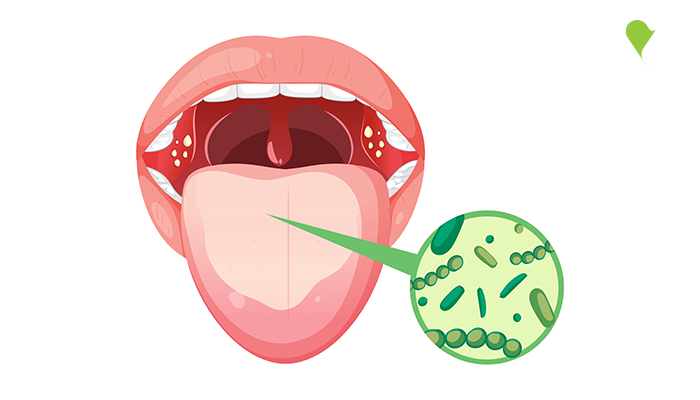
Leukoplakia is a condition that attracts attention because it is potentially related to oral cancer. It has thickened white patches on the mouth, tongue, or gums of the mucous membranes. Such patches cannot be scraped off, and unlike typical oral irritations, they do not heal themselves.
Gaining knowledge about leukoplakia is very important since it enables you to notice changes in oral health in their early stages and seek medical attention in time. Oral health concerns tend to be recognized only at later stages when they prove severe, but in the case of leukoplakia, the timely awareness of the symptoms leads to avoiding heavy hitches. It is prevalent in adults, especially those who smoke tobacco/alcohol, but it does not spare anyone.
In this comprehensive article, we look into what leukoplakia is, the various types of it, its symptoms, the treatment methods used, the risk factors, and the methods of diagnosis. We shall further discuss intervention steps and respond to some of the common queries to provide an overall picture of this condition.
What is Leukoplakia?
Leukoplakia refers to white or greyish patches that can be seen on the oral lining. Unlike such fungal infections as oral thrush, the lesions of leukoplakia cannot be rubbed off. They are caused by the abnormal development of the cells on the mucous membrane, as a rule, is caused by chronic irritation.
The major worry of leukoplakia is that it can become oral cancer. Not all cases advance to malignancy, but some patches can become dysplastic, that is, their cells start growing abnormally. That is why leukoplakia is frequently regarded as an alarming symptom that medical professionals should pay attention to.
Leukoplakia may appear as:
- Flat, thin white patches.
- Thickened, raised areas with a rough texture.
- Isolated patches or multiple patches spread across the oral cavity.
It should be noted that leukoplakia should be distinguished from such oral conditions as candidiasis, lichen planus, or a mere irritation. In contrast to oral hairy leukoplakia, which is highly associated with immunosuppression, especially HIV, the classic form of leukoplakia is more often associated with local irritants such as smoke or persistent trauma.
Leukoplakia Types
Leukoplakia is not the same disorder- it has subtypes, which may differ in appearance, cause and risk of leukoplakia developing cancer. It can be impossible to exactly tell the type of leukoplakia, but this can be used to guide treatment and/or monitoring.
- Homogeneous Leukoplakia: This type is presented in the form of uniformly white patches that are smooth or slightly wrinkled. They are normally assumed to be at a low risk of turning into cancerous diseases, but have to be monitored.
- Non-Homogeneous Leukoplakia: They are irregular patches with variable white and red surfaces (erythroleukoplakia). More homogeneous leukoplakia is likely to become malignant compared to non-homogeneous ones.
- Hairy Leukoplakia: Hairy leukoplakia shows a close relation to compromised immune systems, especially in patients with HIV/AIDS or those receiving immunosuppressive treatment. It looks like white fuzzy or corrugated spots on the sides of the tongu
- Oral Hairy Leukoplakia: It is a subtype of hairy leukoplakia, which is oral in particular. It is regarded as a major clinical parameter of immune impairment. Oral hairy leukoplakia is not cancerous but it is an indicator of lowered immune system thus necessitating some medical attention.
Symptoms of Leukoplakia
Leukoplakia symptoms mostly remain unrecognizable in the initial stages, since no pain is noted with the patches. This is why dental checks should be done to detect it early enough. The most discernible symptom can be seen as the occurrence of chronic white or greyish spots in the mouth.
Key leukoplakia symptoms include:
- Thickened patches of white or grey colour within the mouth on the gums or in the tongue.
- Patches in which you cannot scrape or wipe.
- Surface texture: rugged, rough, irregular, or hard.
- There are red spots intermingled with white patches (erythroleukoplakia), which may be indicative of an increased risk of cancer.
- Sensitive to hot, spicy, or acidic food sometimes.
- In severe cases, pain, a burning sensation, or discomfort.
Hairy leukoplakia and oral hairy leukoplakia can appear differently, with fluffy or hair-like thick white patches on either side of the tongue. Most of these patches are pain-free but may lead to esthetic problems as well as link to system health problems. In case the symptoms of leukoplakia continue longer than two weeks, a healthcare professional must be consulted to review.
Treatment Options for Leukoplakia
Leukoplakia treatment is based on its type, seriousness and the risk it poses of malignancy. Although it might only need observation in some mild cases, other cases will need a more active intervention.
Lifestyle Changes
The initial action in leukoplakia therapy is to eliminate the irritating cause:
- Stopping smoking or spitting tobacco
- Reducing alcohol consumption
- Avoiding excessive heat, such as very hot beverages.
Maintaining good oral hygiene.
Medical Treatments
When leukoplakia fails to resolve with lifestyle changes, doctors may suggest additional treatment:
- Antiviral therapy: In hairy leukoplakia, especially in association with HIV/AIDS.
- Vitamin and nutrient treatment: The supplement may assist in decreasing oxidative stress on the tissues of the mouth.
Surgical Treatments
Surgery may be advised when precancerous changes are shown on the patch:
- The removal of the affected tissue using laser surgery.
- Cryotherapy (lesions frozen)
- Standard excision operation
It is important to prevent leukoplakia developing into cancer of the mouth, and early intervention can do its job. It is in the treatment to schedule follow-up visits with the dentist or an oral surgeon on a regular basis.
Risk Factors
There are a number of factors that predispose the development of leukoplakia. The knowledge of them aids in prevention:
- Tobacco consumption: The most common cause is smoking or chewing tobacco.
- Alcohol intake: Alcohol increases irritation of the mouth.
- Age: Middle-aged and older people are more prone to it.
- Gender: It is more typical in men.
- Inadequate oral hygiene: Persistent stimulation of the gums due to dental complications is one of them.
- Compromised immune system: Increases the risk of oral hairy leukoplakia, hairy leukoplakia.
- Poor nutrition: Vitamin deficiencies of A, C, and E may predispose the person.
Diagnosis and Tests
Diagnosis of leukoplakia needs a comprehensive and methodical approach by a medical service provider. Leukoplakia mimics many other oral diseases, and thus the diagnosis process will most times consist of a series of tests to facilitate an accurate result. Dentists, oral medicine specialists, and oral surgeons are important to identify, determine and even control the suspicious white or gray patches of the inside mouth.
The intention of the diagnosis is not only to determine leukoplakia but also to exclude precancerous or cancerous alteration as early as possible; doing so provides the patients with timely treatment.
Common diagnostic steps include:
- Clinical examination:The initial procedure is commonly a thorough oral interview by a dentist or oral health expert. In this check-up:
- The doctor examines the number of patches, their size, color, thickness and color.
- The area of the lesion (tongue, gums, inside cheeks, or lips) is carefully noted each time, as some areas are more prone to becoming malignant.
- The provider can also lightly scrape or push on the area to see if the lesion can be scraped off or smeared (to distinguish between fungal infections such as oral thrush).
- A thorough medical/lifestyle history is obtained to discern possible risk factors, including tobacco use, alcohol consumption, and ill-fitting dentures.
- Exclusion of other conditions: Given that white oral patches may also be caused by some non-cancerous conditions, the provider also needs to exclude:
- Oral candidiasis (thrush): An infection of a similar nature, but it is typically scraped away.
- Lichen planus: It is an inflammatory disorder, and it may cause white lace spots.
- Trauma caused lesions: This is triggered by irritation due to repeated sharp teeth, dental fillings or even bite marks in the cheeks.
- The diagnosis of these conditions needs to be ruled out to provide the patient with the right treatment plan.
- Biopsy: The biopsy (considered a modal treatment that is a gold standard of a diagnosis method) is characterized by the removal of a small amount of tissue on the lesion and further analysis in the lab.
- The biopsy assists in identifying dysplasia (abnormal cell growth) or early evidence of cancer.
- It is also useful in classifying the lesion as either benign, precancerous or malignant.
- Biopsies are of two kinds: incisional (a small piece of tissue is taken) and excisional (the whole lesion is removed). Leukoplakia can be a precursor to oral cancer and therefore it is important to have critical information in the treatment plan and a biopsy can provide helpful information.
- Imaging tests: In advanced cases, imaging might be indicated:
- X-rays, CT scans, or MRI can be employed if the leukoplakia patch is deeper in the tissues.
- Imaging is particularly crucial when lesions are large, persistent, or accompanied by red flags such as pain, bleeding or swallowing problems.
- Blood tests: In conditions such as hairy leukoplakia and oral hairy leukoplakia, a blood test may be requested:
- To rule out possible complications of the immune system, such as HIV infection or other immune deficiencies.
- To evaluate general health and eliminate the presence of systemic conditions that can be related to oral lesions.
- Adjunctive diagnostic tools: In the clinics of some modern clinics, it can be performed with the help of additional means of diagnosis:
- Toluidine blue staining: A stain that makes suspicious areas more likely to be precancerous or cancerous, to be highlighted.
- Oral brush biopsy- An approach that does not require any invasive process, and cells are brushed off and checked.
- Fluorescence visualization equipment: These are unique lights that aid in distinguishing between normal tissue and abnormality.
- Regular monitoring and follow-ups: Even once a case of leukoplakia has been successfully treated, it is important to monitor the patient on a long-term basis.
- New patches can develop with time, especially when risk factors such as the use of cigarettes or alcohol persist.
- Follow-ups should be periodically done (every 3-6 months) to identify changes early, and repeat biopsies can be done as needed.
- Patients are also shown methods of self-examination, and they can examine their mouth to spot any recurring or suspect areas.
Conclusion
Leukoplakia is an issue that demands attention, surveillance, and medical attention. Not all cases evolve into oral cancer, but since there is the risk of malignant degeneration, one should not ignore leukoplakia symptoms. Smokeless cigarettes, restraint in the consumption of alcohol, and good teeth hygiene are good preventive measures.
Hairy leukoplakia and oral hairy leukoplakia are not cancerous but do denote the presence of immune problems that need attention. Prompt treatment and suitable leukoplakia treatment can minimize the risk and enhance the successful outcomes of our oral health. By maintaining alertness and visiting your healthcare provider when it is necessary, you can easily cope with the condition.