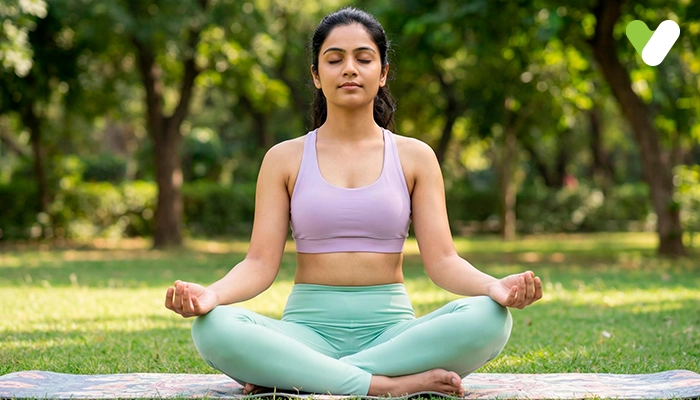
Restorative yoga is a gentle and rejuvenating practise that promotes deep relaxation and healing. Often referred to as a rejuvenating yoga, this yoga involves the use of restorative postures or asanas to create a nourishing experience. Whether you are a beginner or a seasoned yogi, restorative yoga offers a sanctuary for self-care and restoration. Restorative yoga postures are specifically designed to support the body in finding comfort and ease, allowing you to surrender to the present moment. For beginners, restorative yoga provides an accessible entry point into the world of yoga, offering a gentle introduction to the practise. If you are pressed for time, even a 30-minute restorative yoga session can provide immense benefits. As you explore the vast array of restorative yoga postures, you'll discover the best restorative yoga practises that resonate with your body and individual needs. Each posture offers a unique experience. So, come and experience the transformative power of restorative yoga asanas or positions.
Understanding Restorative Yoga
Restorative yoga is a relaxing practise that can be done by all levels of individuals. Restorative yoga involves holding yoga postures, known as asanas, for an extended duration of time while using props such as blankets, blocks, and bolsters for added support. It is a deep relaxation technique that emphasises the meditative element of yoga—the connection of mind and body. With the assistance of props, the postures are held effortlessly, allowing the body to fully relax.Practising Restorative Yoga
When engaging in restorative yoga, the body's relaxation triggers a conscious relaxation of the mind, facilitating the release of tension from both the physical and mental aspects. During the practise, your main task is to pay attention to your breath and be mindful of any sensations or thoughts that arise. This practise encourages a state of awareness and promotes a sense of tranquillity.Pillars of Restorative Yoga
Observation- In restorative yoga, observation is the practise of watching your thoughts, body, and overall sense of wellbeing without judgement.
- This can help you become a better observer of your own mind and body, which can lead to increased relaxation, decreased anxiety, and improved intuition.
- Observation is a valuable skill that can be applied to both your yoga practise and your life off the mat.
- During restorative yoga, props are used to support the body so that it can relax completely.
- This allows the mind to relax, which can lead to emotional releases.
- A supported savasana is a great way to experience the benefits of restorative yoga.
- Restorative yoga can help you cultivate compassion for yourself, both physically and emotionally.
- This can help relieve the anxious mind of its unhelpful critiques.
- Restorative yoga can help you see how truly different we all are and how we need to be supported in different ways.
Benefits of Restorative Yoga
Restorative yoga offers numerous benefits similar to those of other forms of yoga. These include:- Relaxation of the mind and body
- Reduction in stress and anxiety, leading to decreased levels of the stress hormone cortisol
- Soothing of the nervous system by shifting it from the fight-or-flight response to the relaxation response
- Enhancement of mood
- Reduction of chronic pain associated with headaches, back pain, and osteoarthritis
- Improvement of sleep quality and overall well-being, resulting in less fatigue and increased energy
- Gentleness on the body, making it safe for individuals with acute or chronic injuries
- Potential inclusion as a beneficial part of the treatment plan for chronic health conditions, as it improves psychological and physical symptoms and enhances quality of life
- Considered safe during pregnancy and recommended by experts.
Five Best Restorative Yoga Positions
Here are some of the best restorative yoga postures. You can hold each pose for about 3-5 minutes or you can create a 30-minute restorative yoga sequence by incorporating these yoga positions.1. Supported Child's Pose (Bal asana)
Follow these steps to perform the posture:- Place a bolster or stack of pillows on your mat and kneel in front of it.
- Spread your knees wide and lower your torso onto the bolster, allowing your arms to relax alongside your body.
- Rest your forehead on the bolster or turn your head to one side.
- Stay in this position for several minutes, focusing on deep breathing and relaxation.
2. Supported Bridge Pose (Setu Bandha Sarvangasana)
Follow these steps to perform the posture:- Lie down on your back with your knees bent and your feet hip-distance apart.
- Place a bolster or folded blanket under your sacrum, lifting your hips off the ground.
- Allow your arms to relax at your sides or place your hands on your belly or chest.
- Stay in this pose for several minutes, focusing on deep breathing and letting go of any tension in your lower back and hips.
3. Supported Reclining Bound Angle Pose (Supta Baddha Kon asana)
Follow these steps to perform the posture:- Sit on your mat with your knees bent and the soles of your feet touching each other.
- Place a bolster or stack of pillows behind you. Lean back onto the bolster, supporting your back and head. You can also place additional props under your knees for support.
- Relax your arms alongside your body or rest your hands on your belly.
- Stay in this pose for 5 to 10 minutes, allowing your body to release tension and open the hips.
4. Legs-Up-The-Wall Pose (Viparita Karani)
Follow these steps to perform the posture:- Sit sideways with one hip touching the wall and your legs extended along the wall. As you lower your torso and head to the ground, swing your legs up against the wall.
- Use a folded blanket or bolster under your hips for support if needed. Allow your arms to rest by your sides or place them on your abdomen.
- Stay in this pose for 5 to 10 minutes, focusing on deep belly breathing.
5. Savasana
Follow these steps to perform the posture:- In Savasana, Lie on your back with a bolster or rolled-up blanket supporting your knees and another pillow or folded blanket supporting your head. Let your arms rest alongside your body, palms facing up.
- Close your eyes and focus on relaxing each part of your body, starting from your toes and working your way up to your head.
- Stay in this pose for 10 to 20 minutes, allowing yourself to fully surrender and experience deep relaxation.
Starting Restorative Yoga
Here are a few steps to consider:- Warm up: Begin with a few minutes of gentle movement to prepare your body for relaxation and create space within.
- Embrace props: Use blocks, blankets, bolsters, and other props to fully support your body in the poses. The more support you have, the deeper your relaxation will be.
- Prioritise comfort: Take the time to find a comfortable position on your props and make necessary adjustments before settling in. Small modifications can make a big difference in your comfort level.
- Research and learn: Explore restorative yoga books and resources to familiarise yourself with different poses and techniques. Incorporate restoratives into your practise in a balanced way, whether it's adding a few poses to your daily routine or dedicating an entire practise to restoratives.
- Be patient: Restorative poses can be challenging for beginners, both physically and mentally. Understand that it takes time and practise to fully surrender and experience the benefits of deep relaxation.